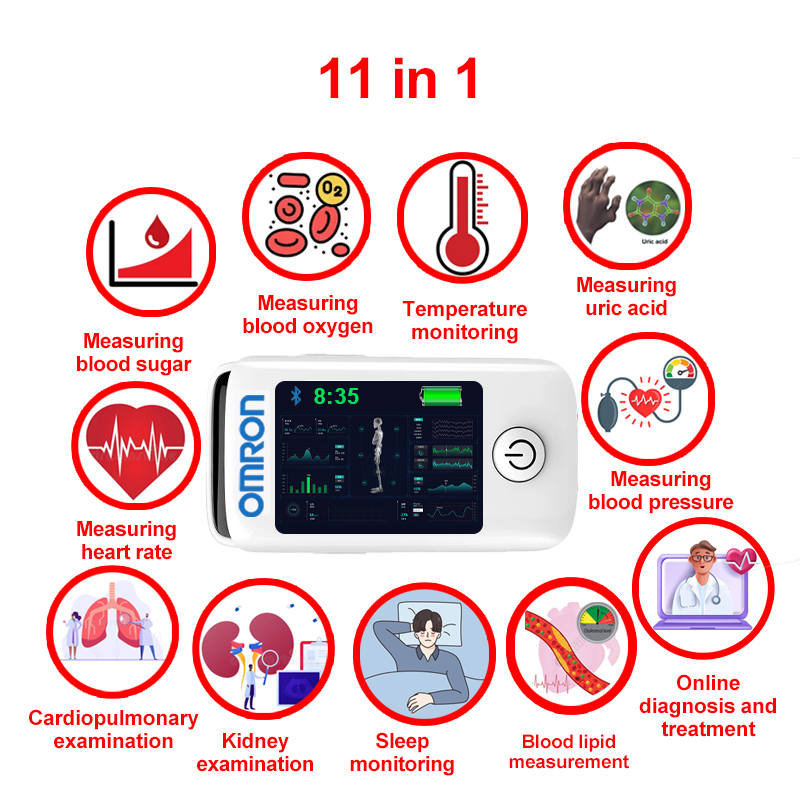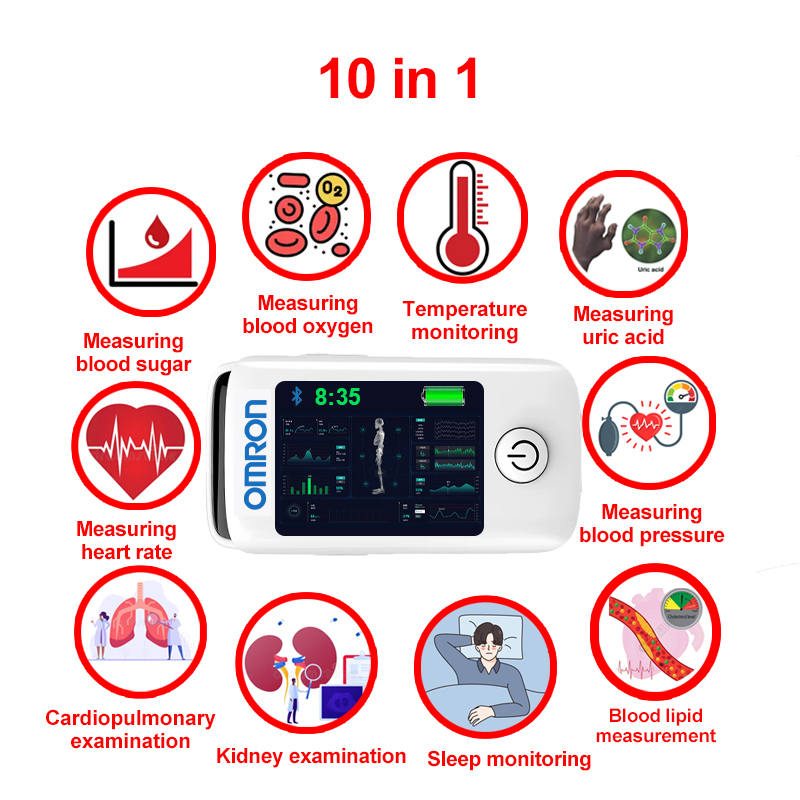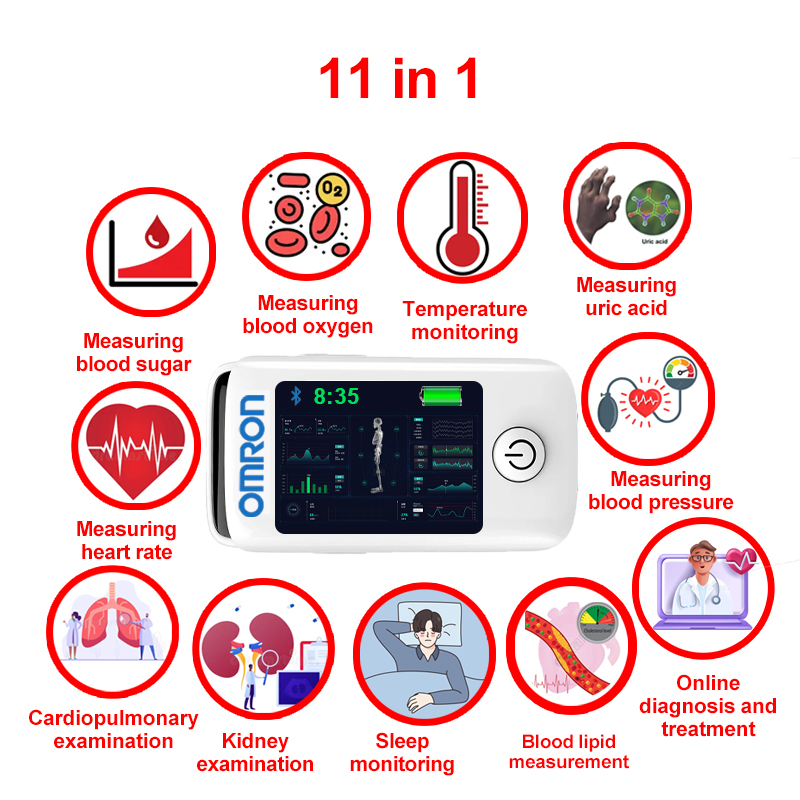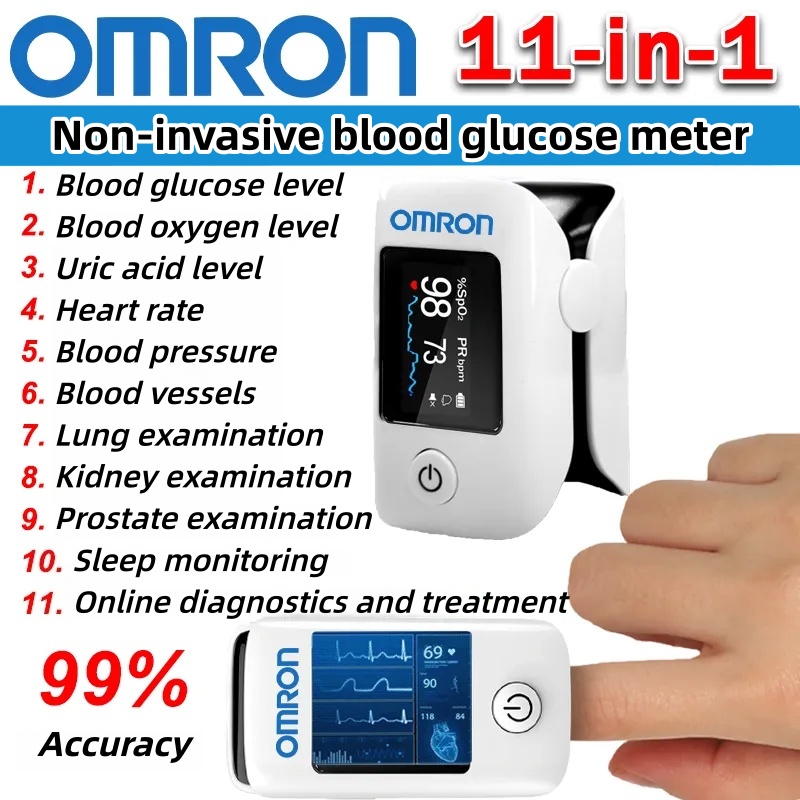
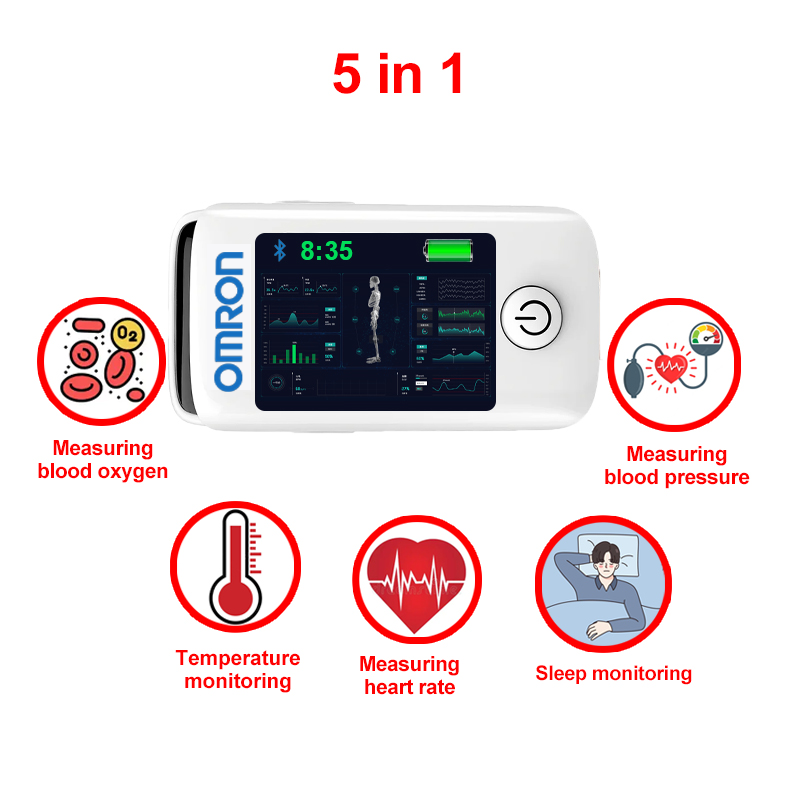
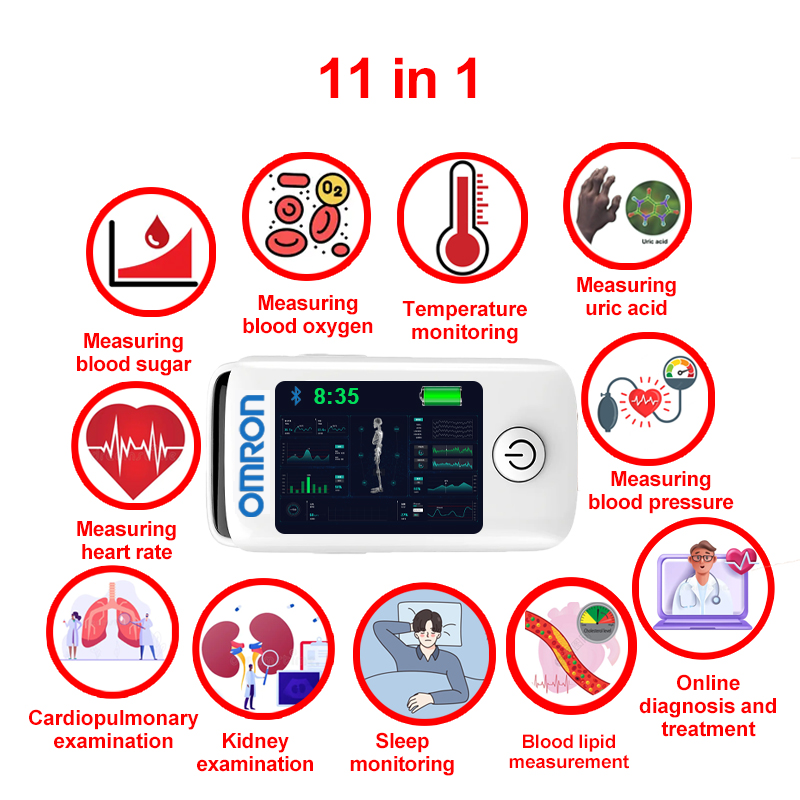
Omron 11-in-1 Non-Invasive Multifunctional Blood Glucose Meter
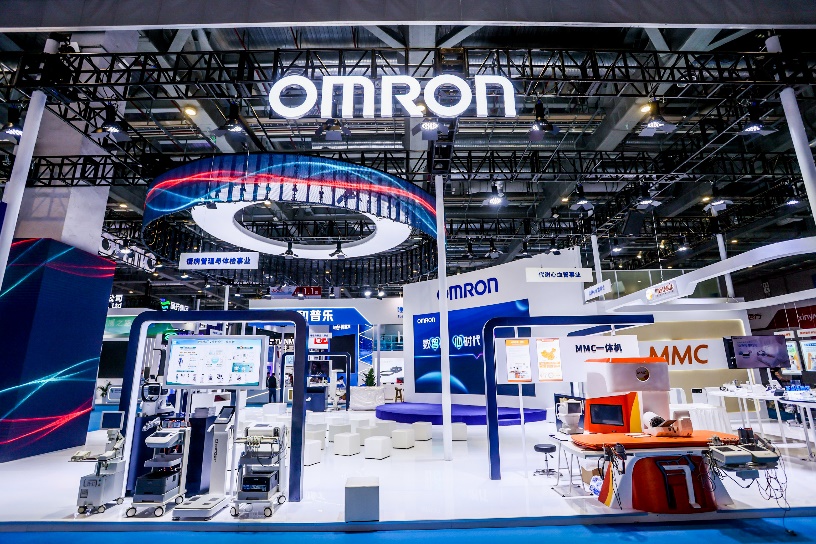
Omron, a global leader in healthcare innovation, has been supporting healthier living since 1933. Omron's blood glucose meters are known for their accuracy and ease of use, helping millions manage diabetes. Through cutting-edge technology and a commitment to quality, Omron provides reliable health monitoring in Africa and worldwide.
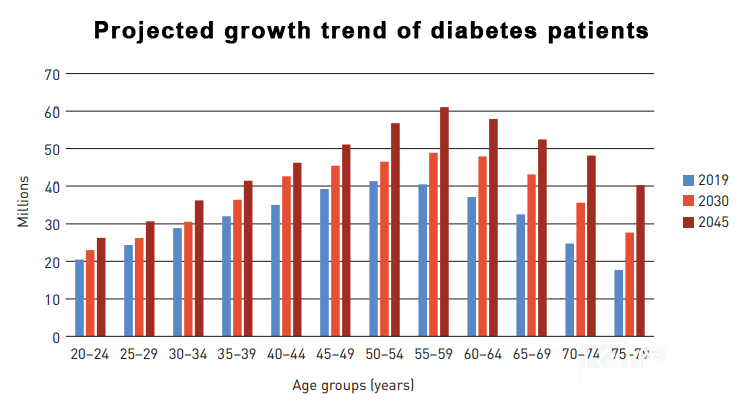
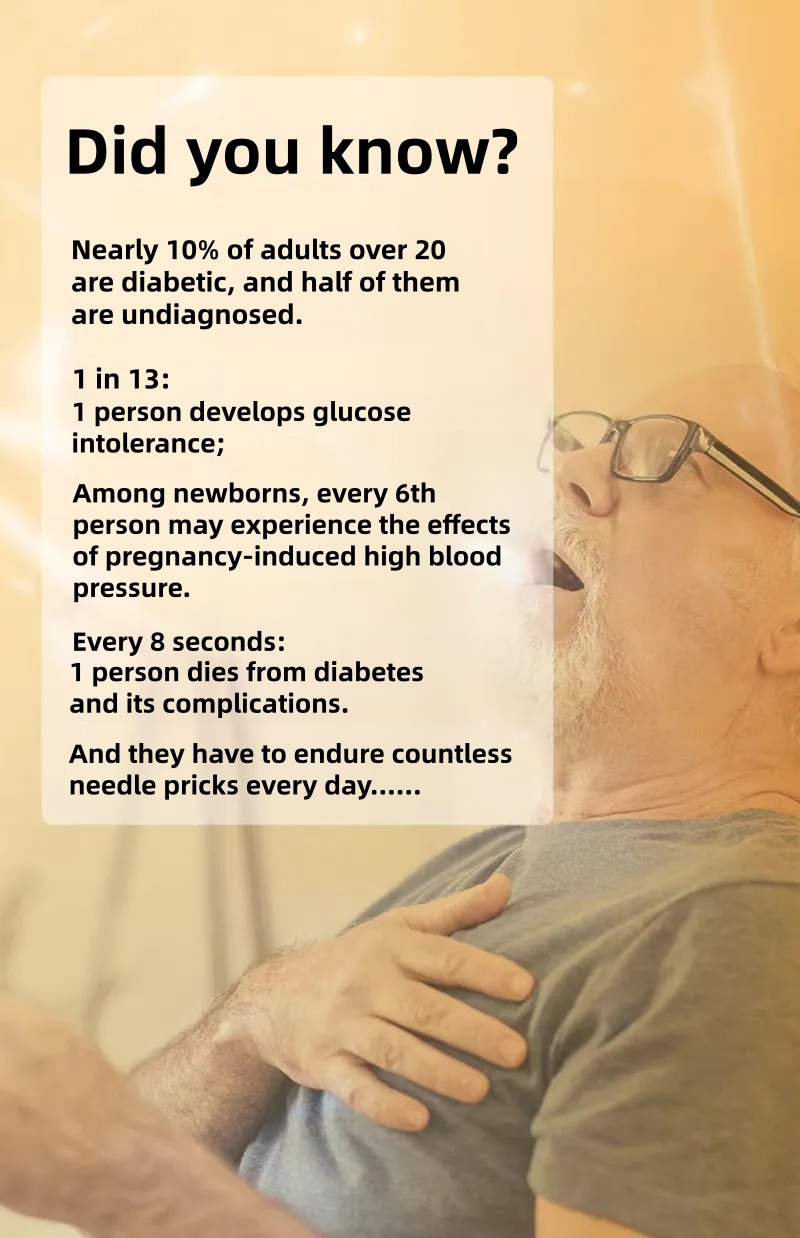
According to the World Health Organization's study, the number of diabetes patients worldwide increases by 3% every year. Diabetics need to regularly monitor their blood glucose levels, not just to monitor blood glucose but also to remind them to take the appropriate steps to control it.
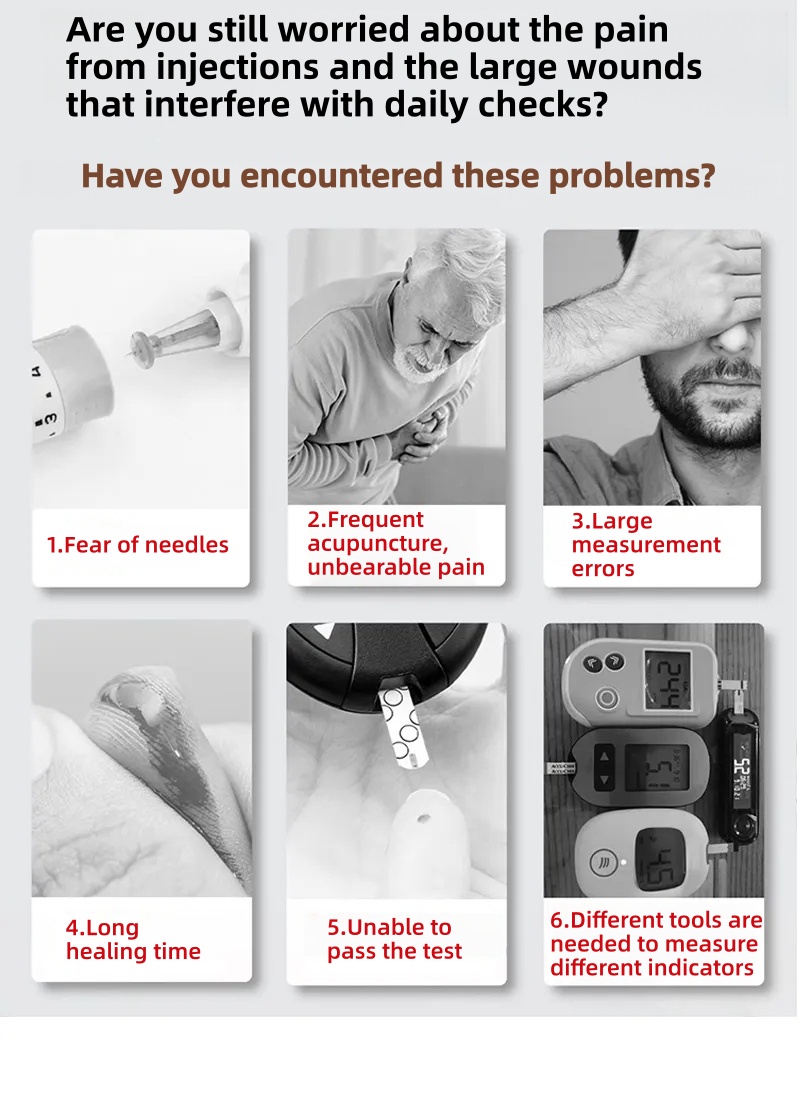
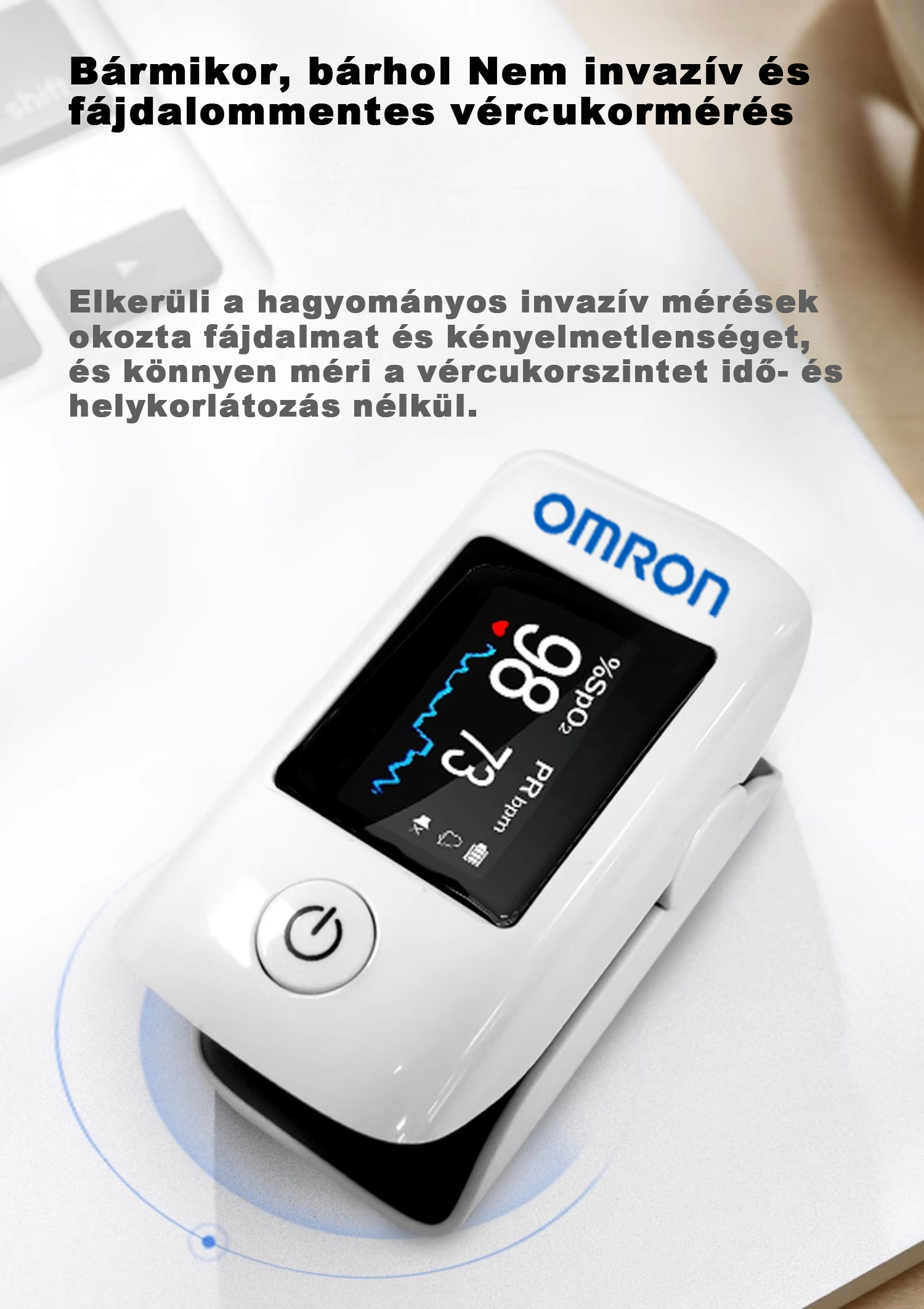
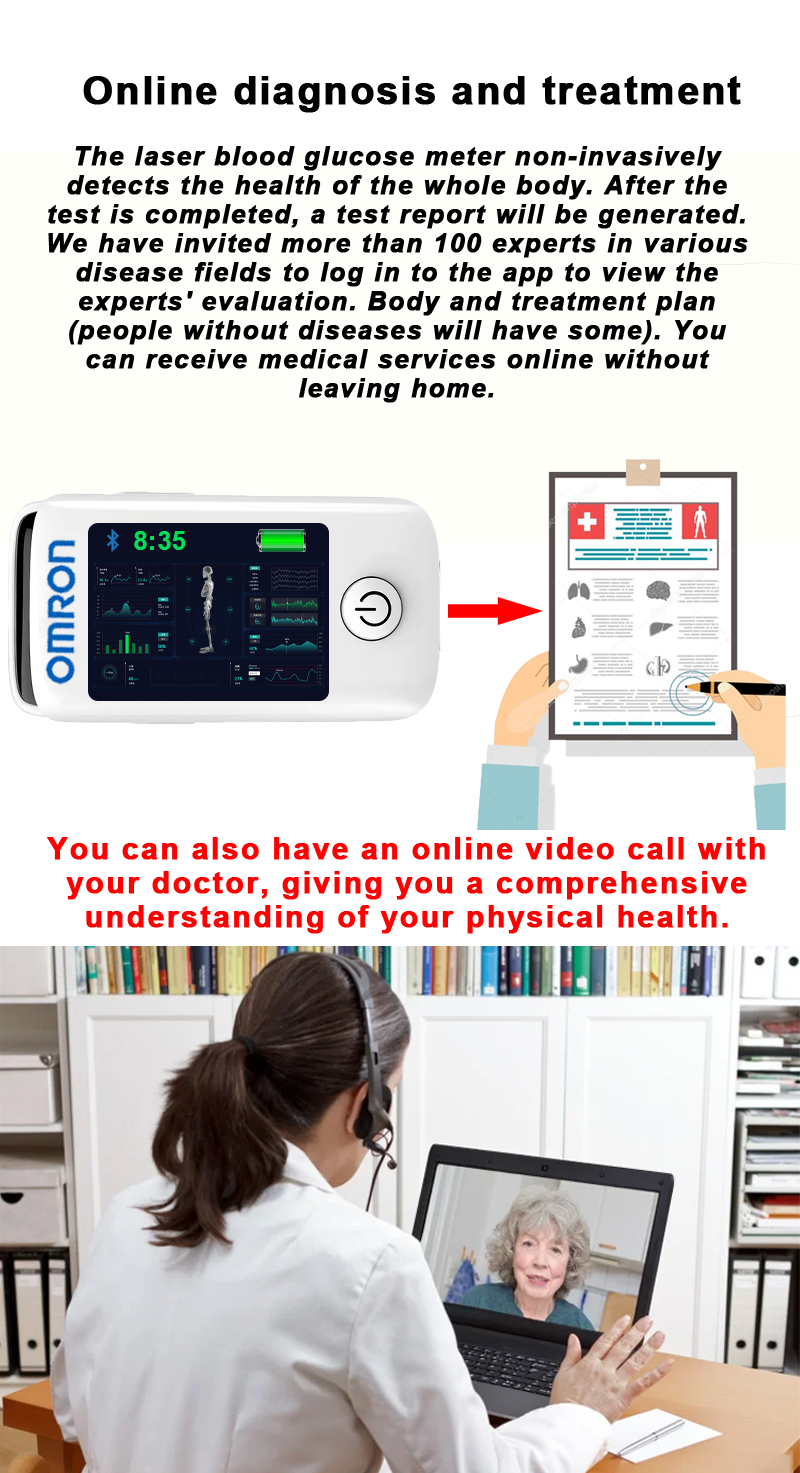
The introduction of non-invasive blood glucose meters effectively addresses these issues, allowing us to move away from traditional and cumbersome measurement methods and apply new technologies to transform our lives.
Omron is launching a promotional campaign to allow more users to enjoy the convenience of non-invasive blood glucose meters. The original price was 200,000 Naira, but now it is only 100,000 Naira. The quantity is limited.
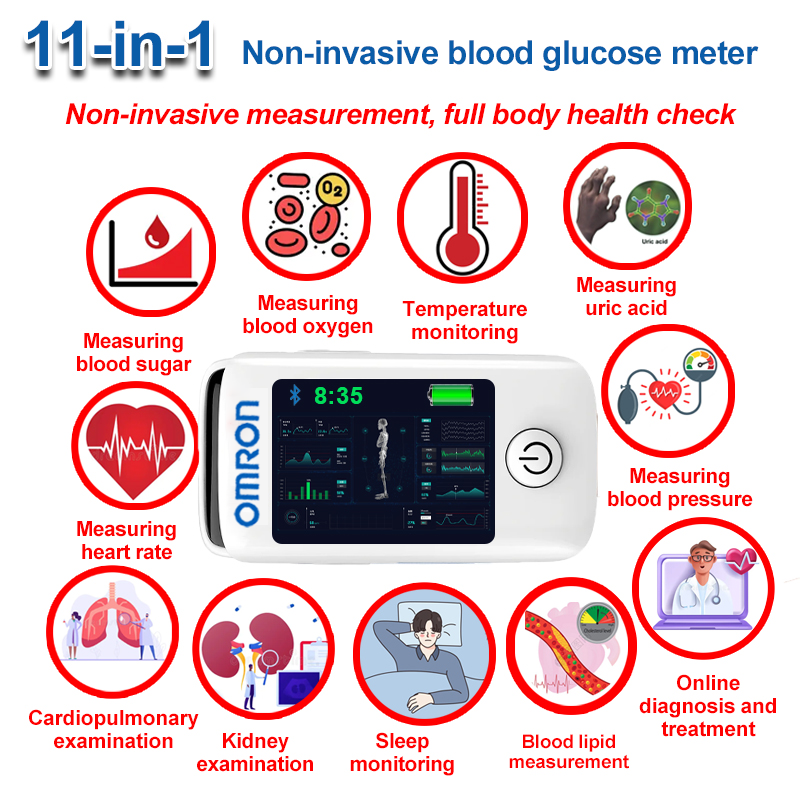
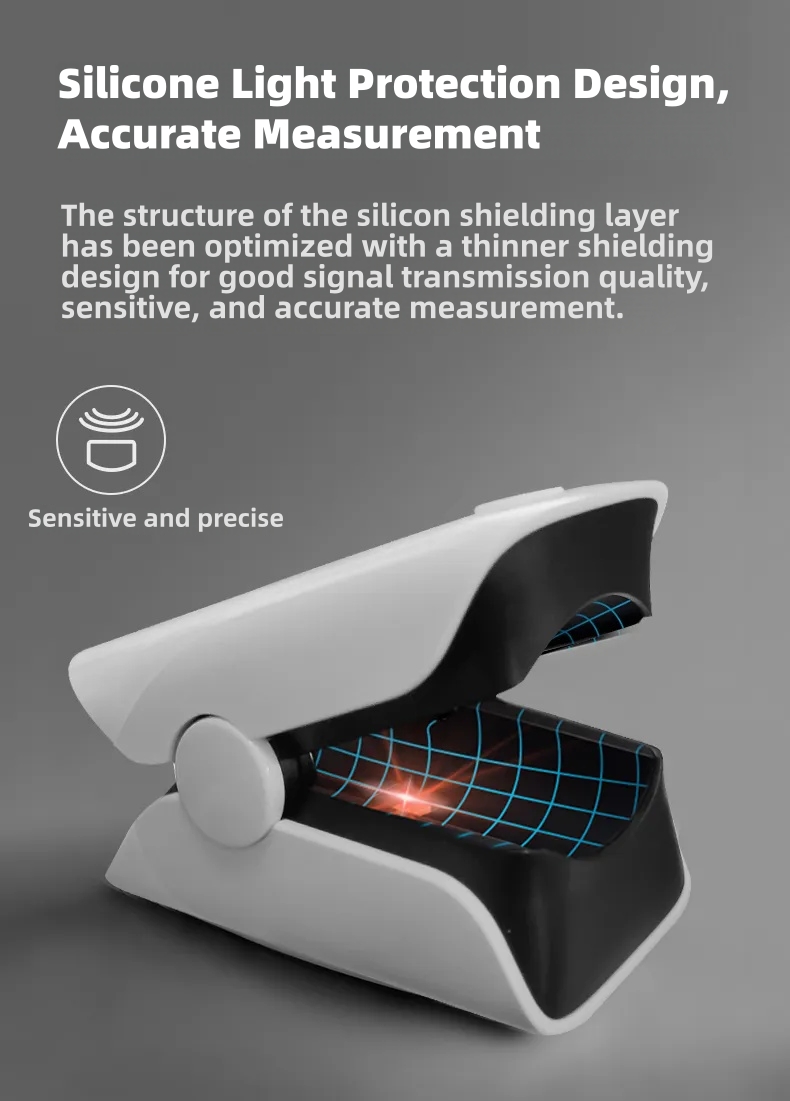
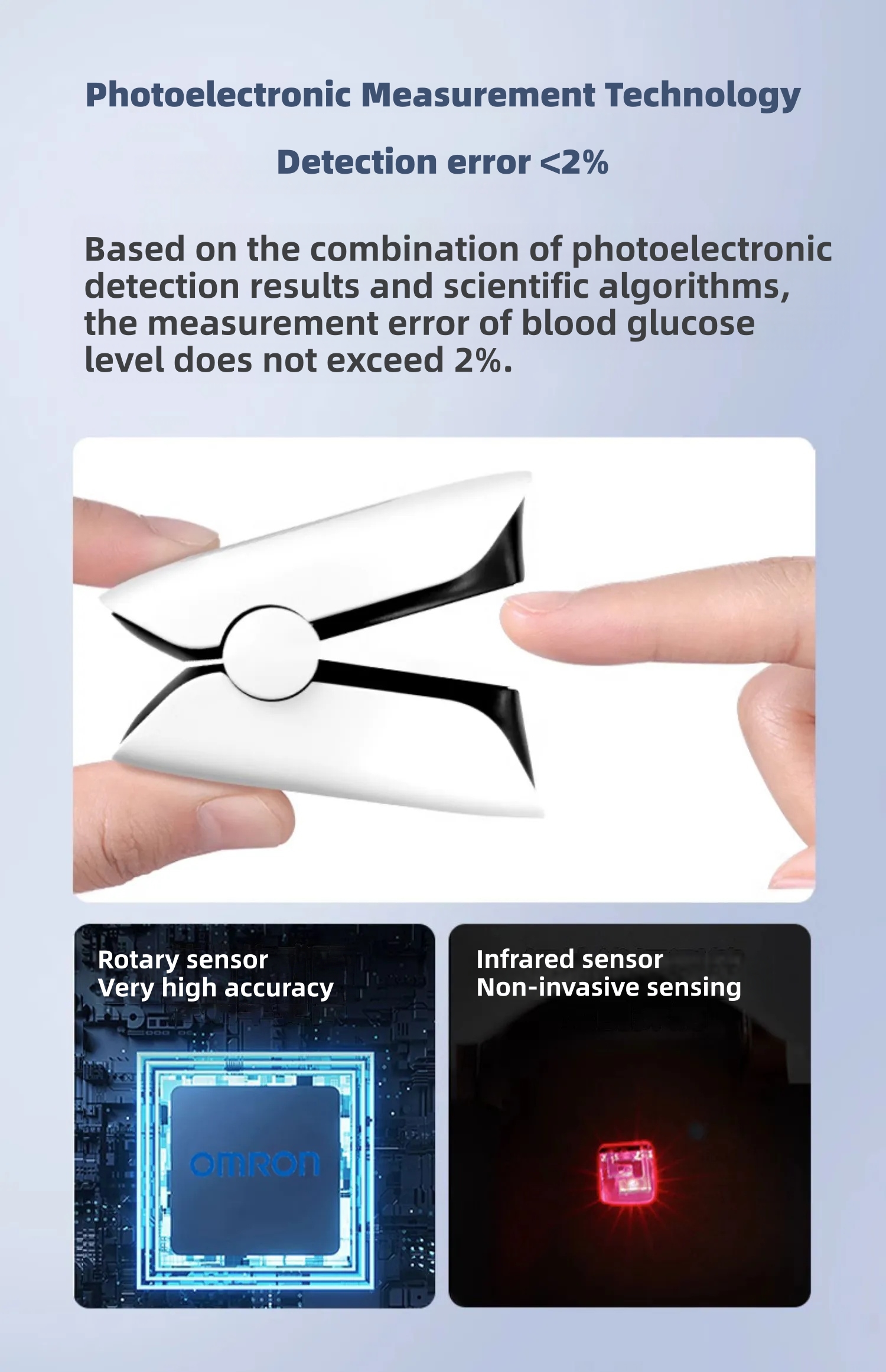
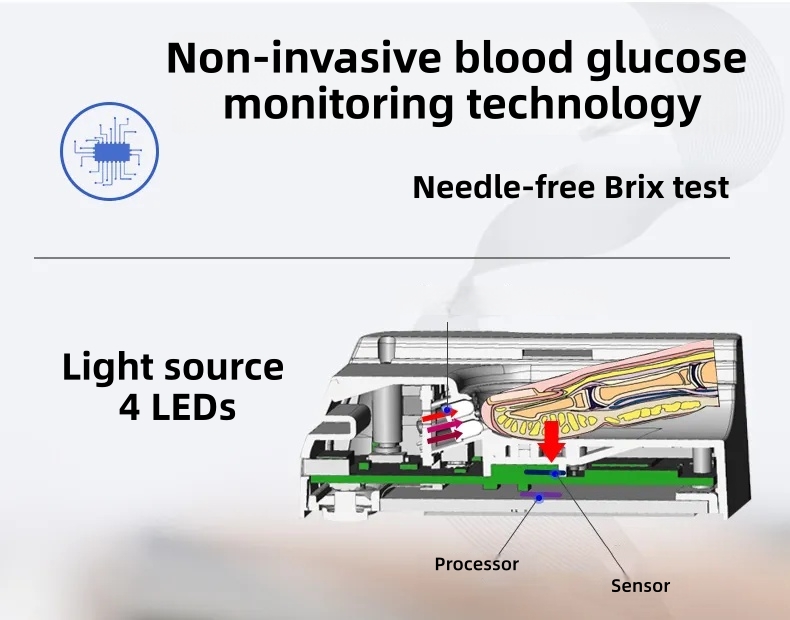
The laser terminal illuminates the fingertip with a 650 nm wavelength and 5 mW output power.
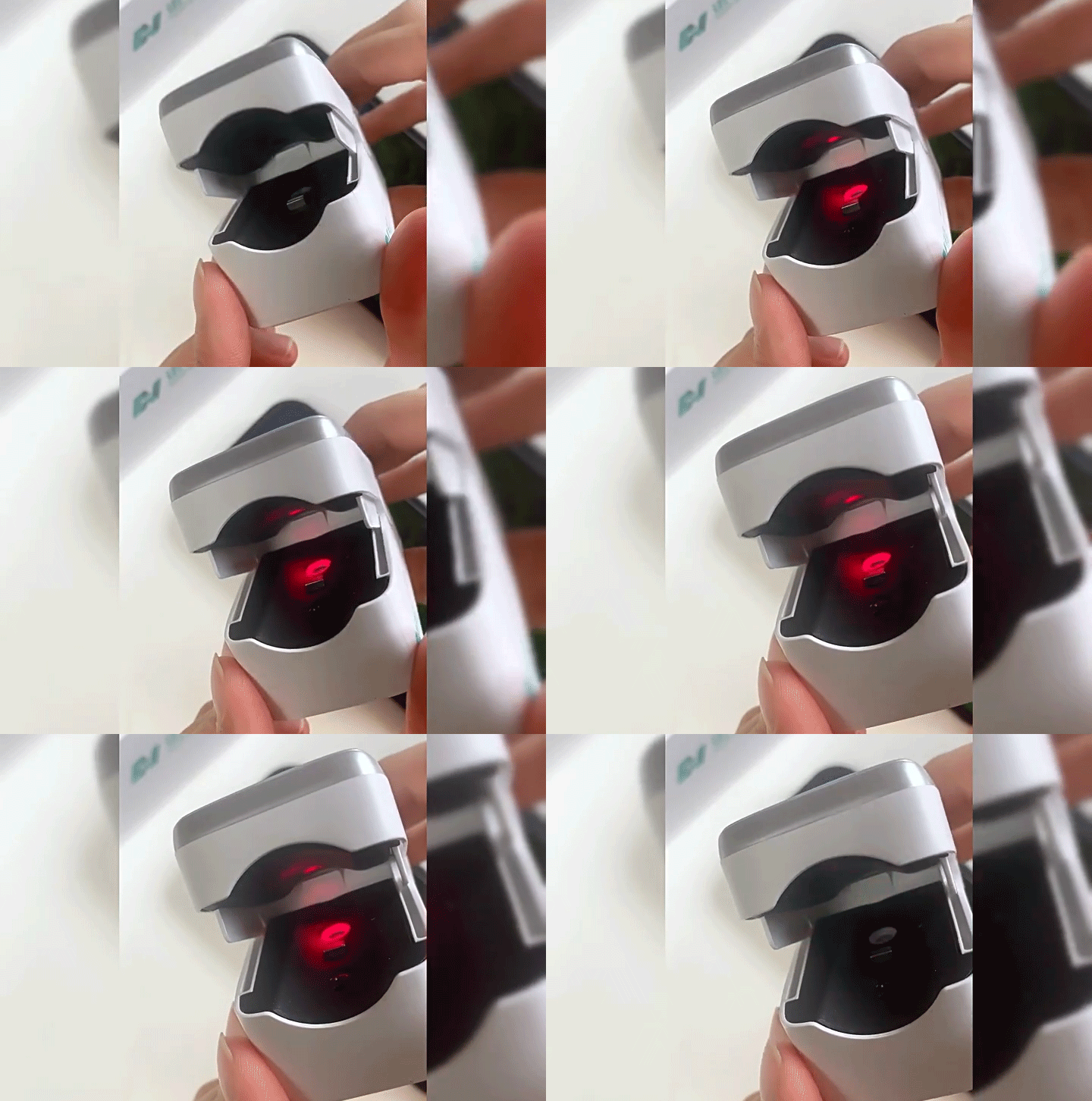
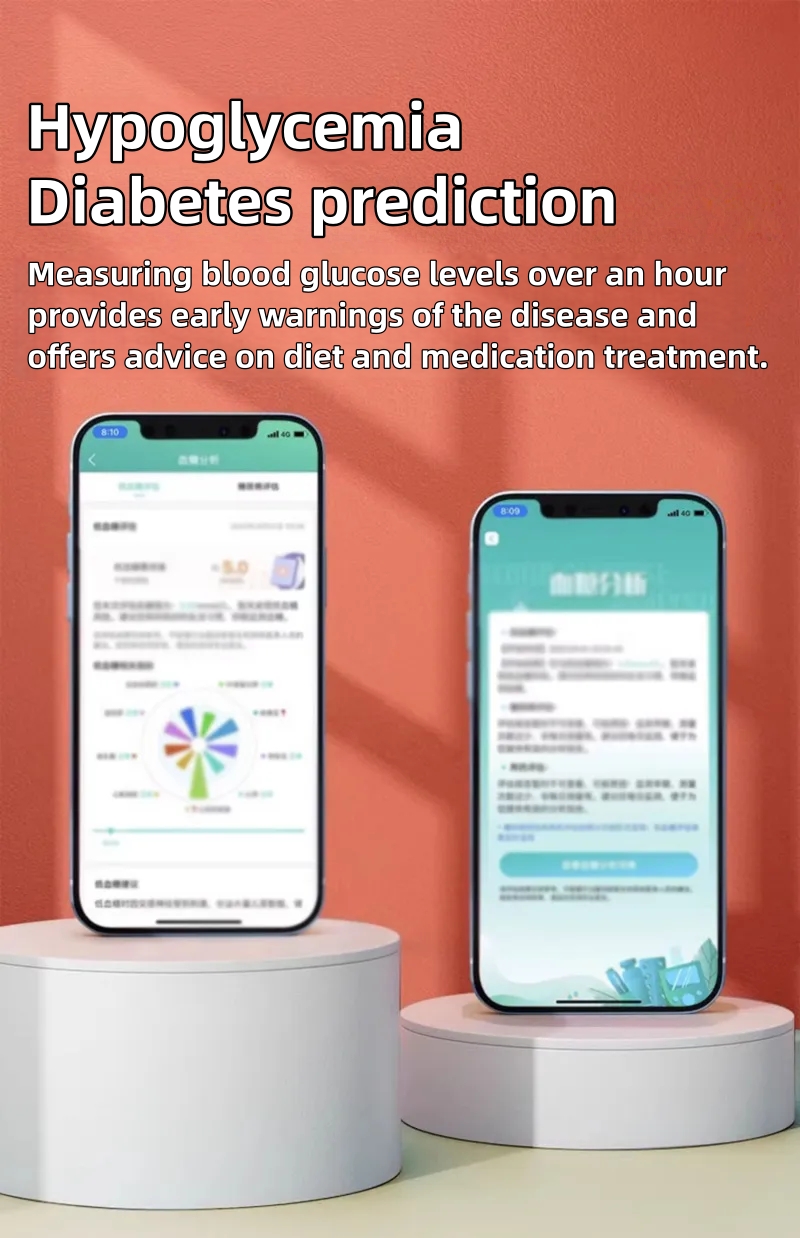
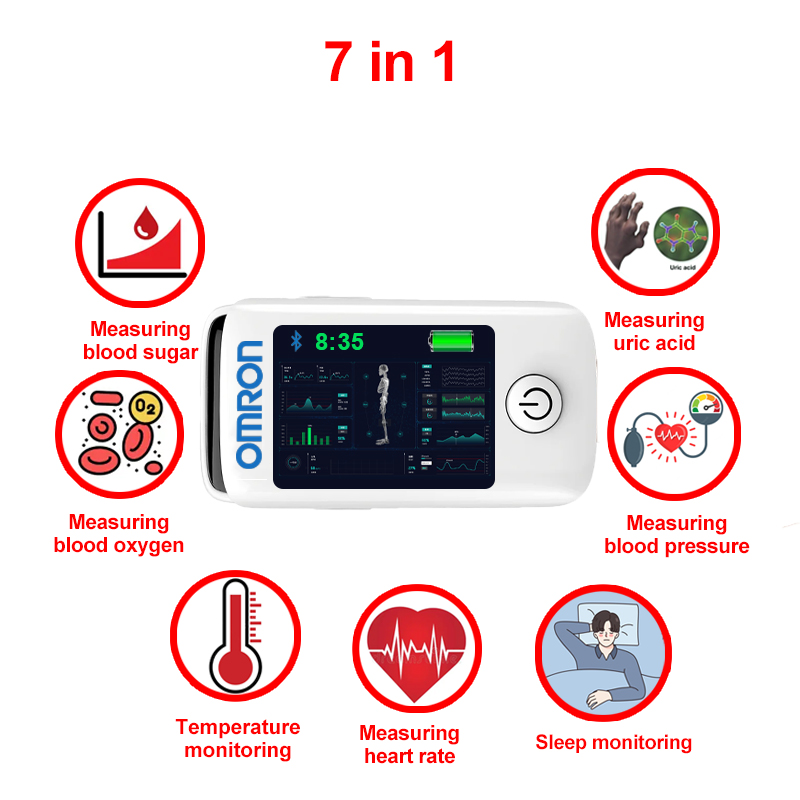
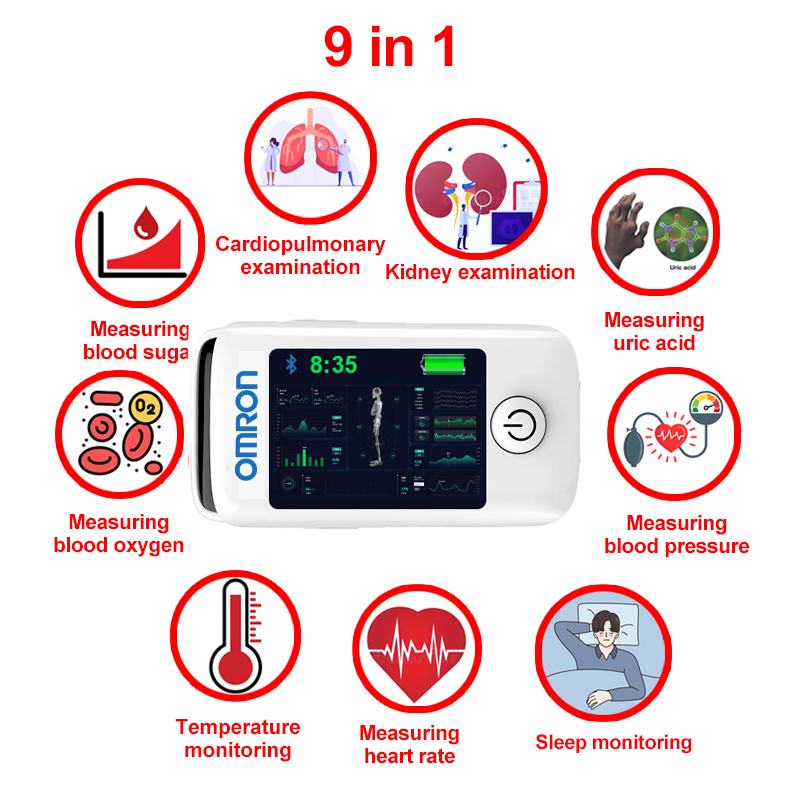
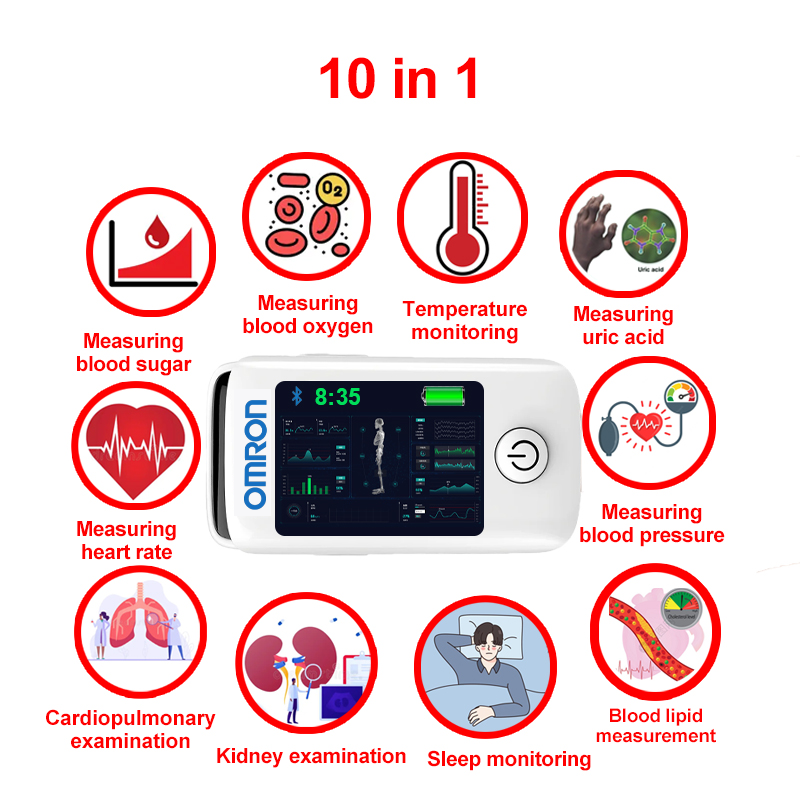
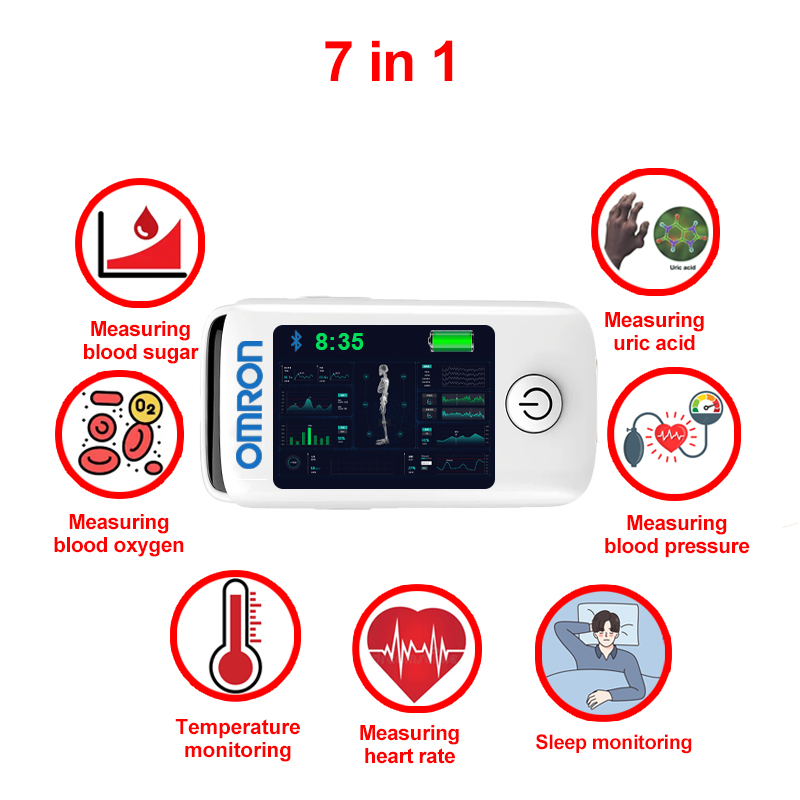
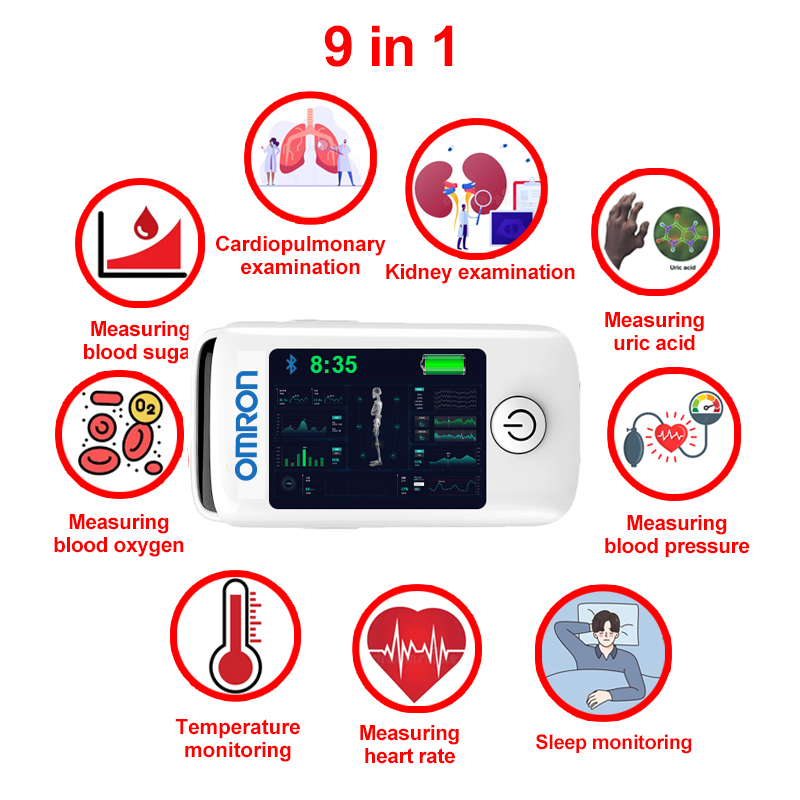
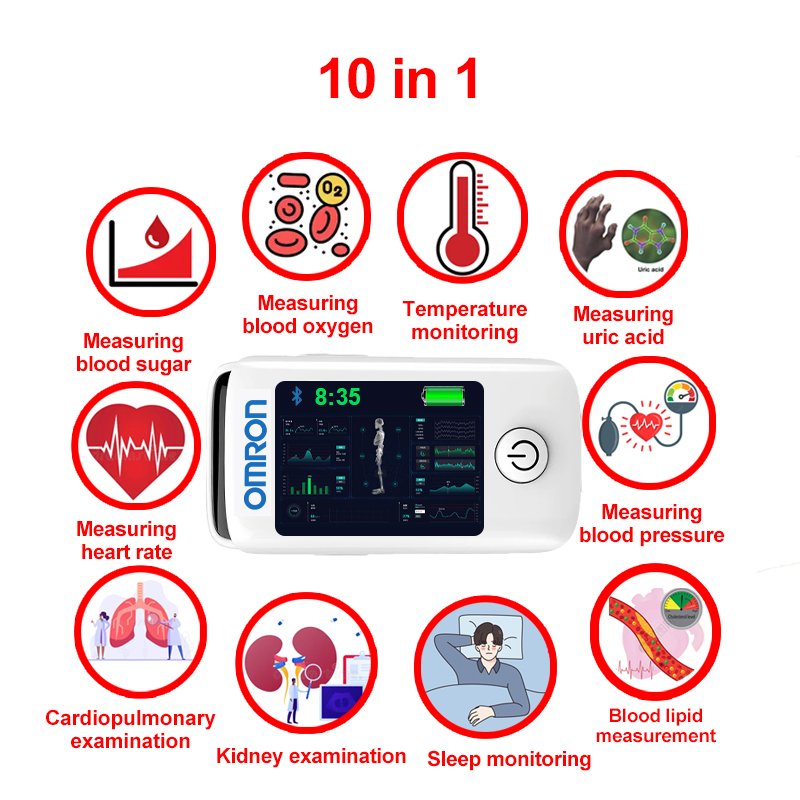
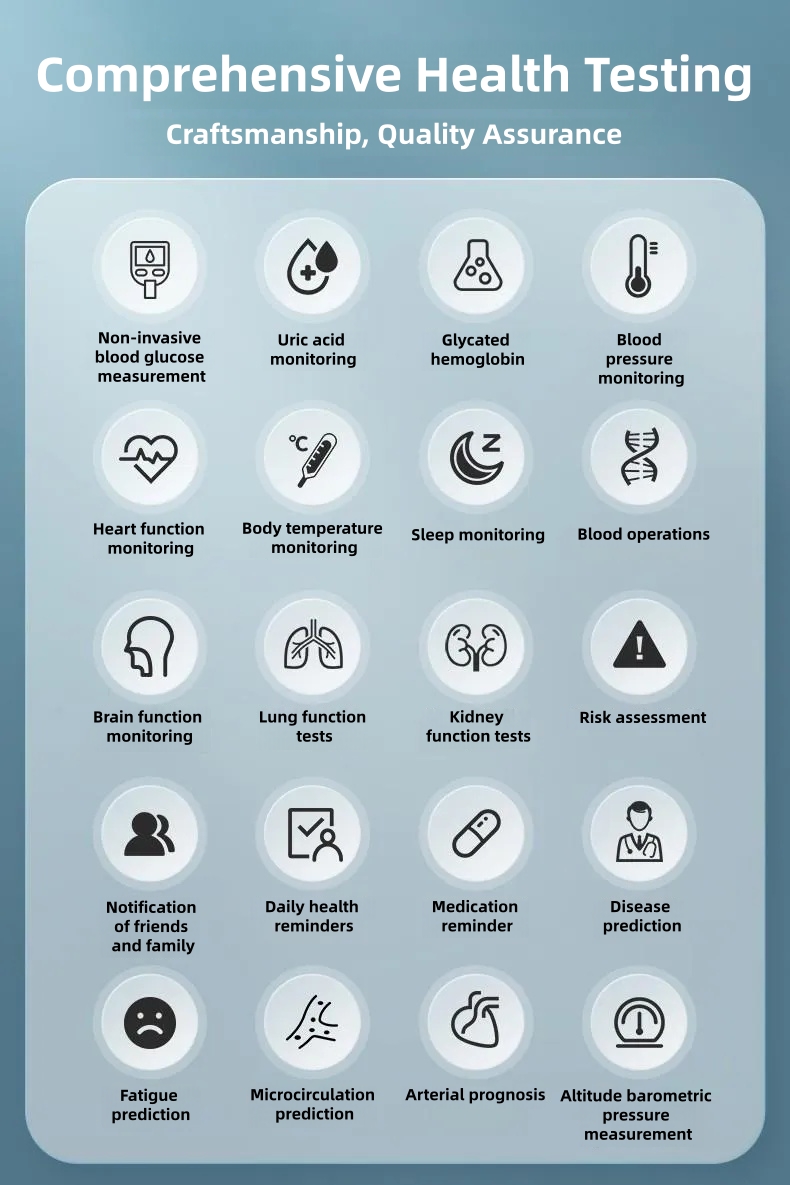
For diabetics, regular blood glucose monitoring is the foundation of managing the disease. It can accurately measure blood glucose levels, detect early, and take appropriate action.
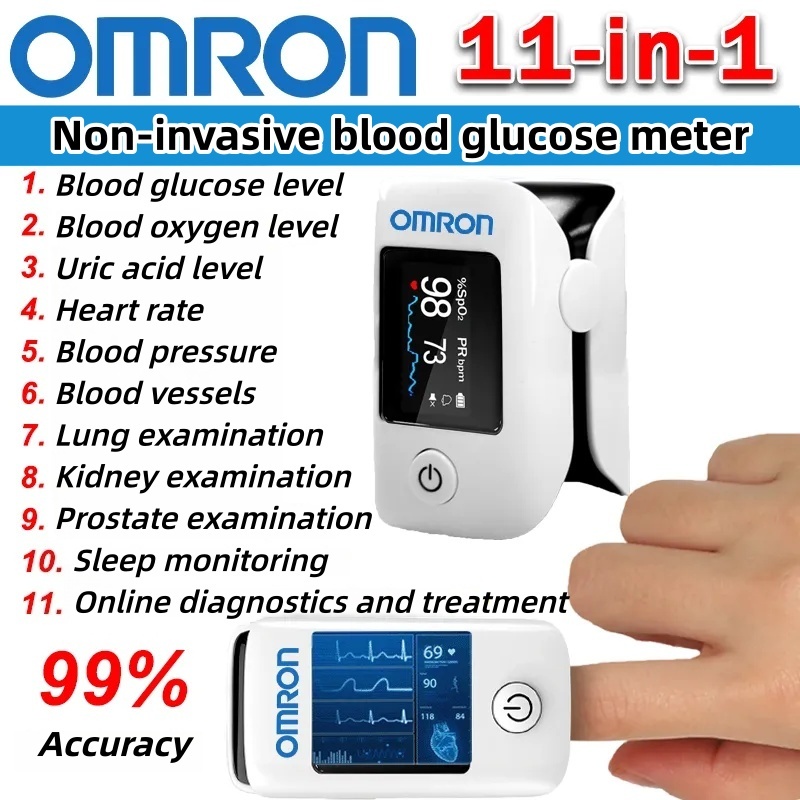
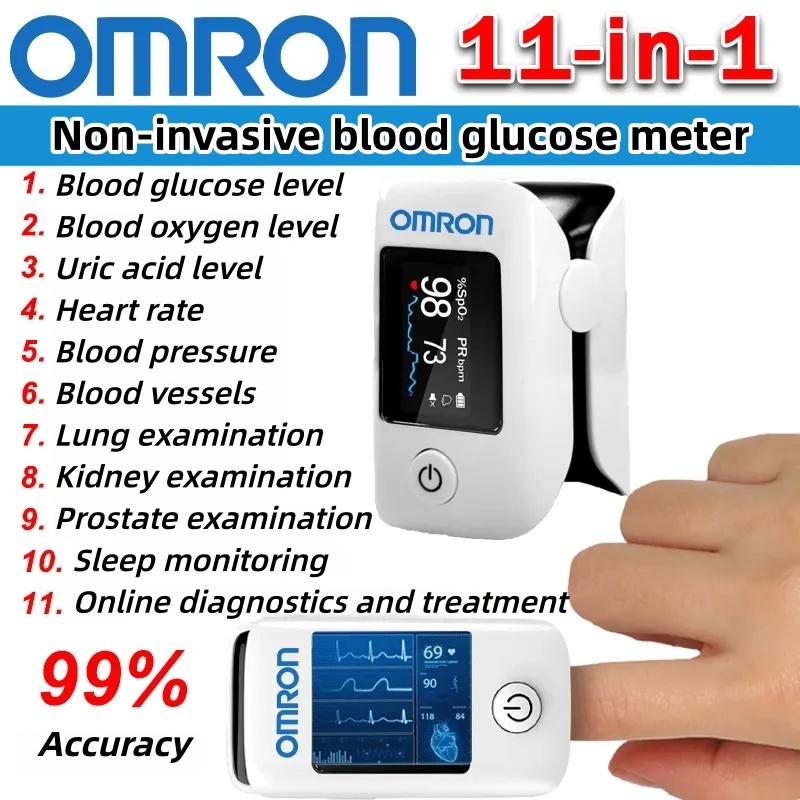
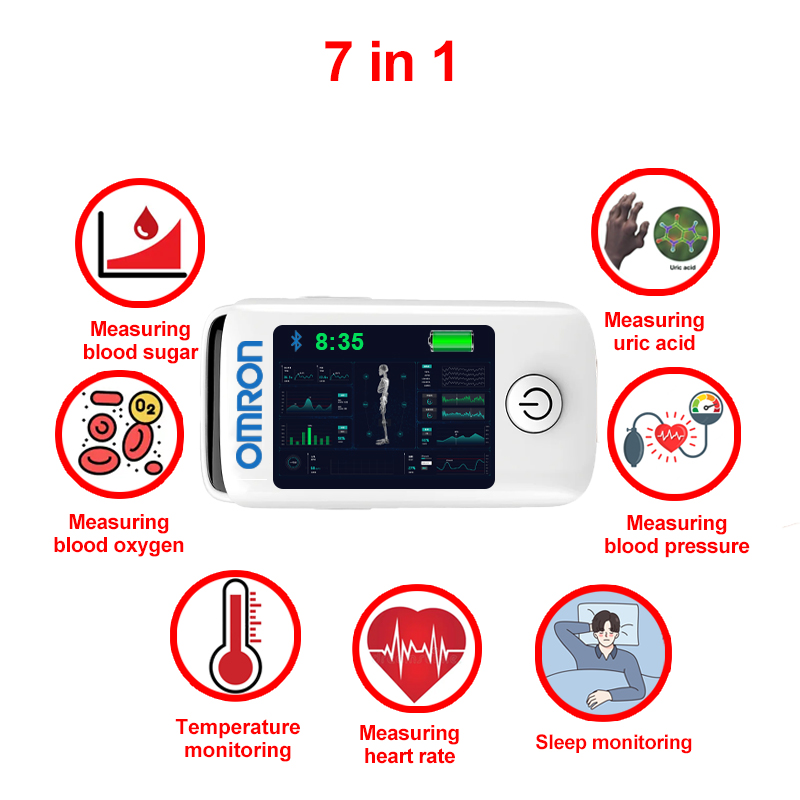
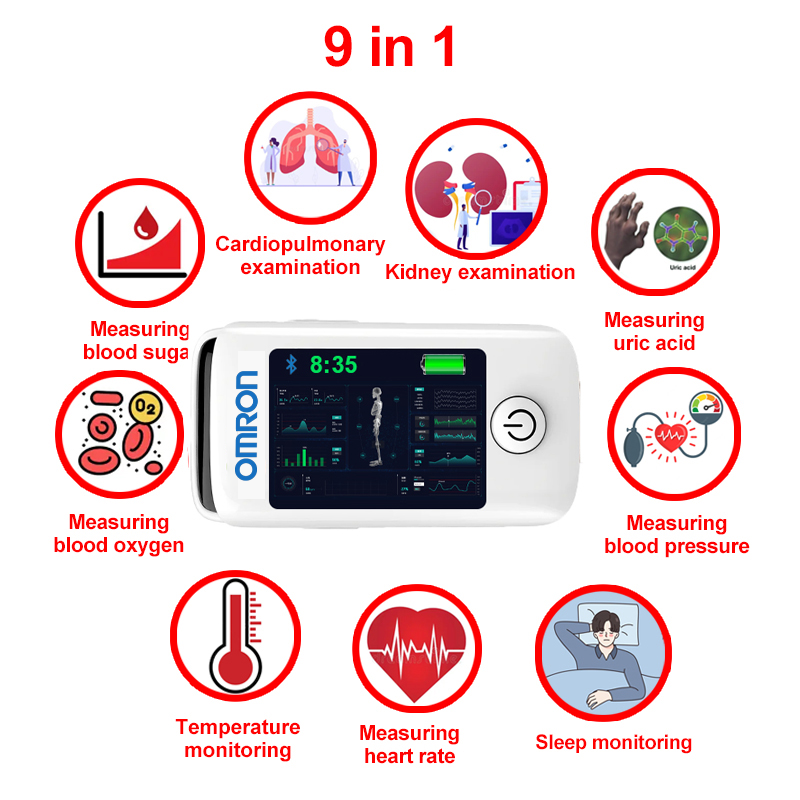
Blood glucose measurement helps with diet control, early detection of diabetes, supports the health of pregnant women and fetuses, helps doctors adjust medications, and detects complications of diabetes.
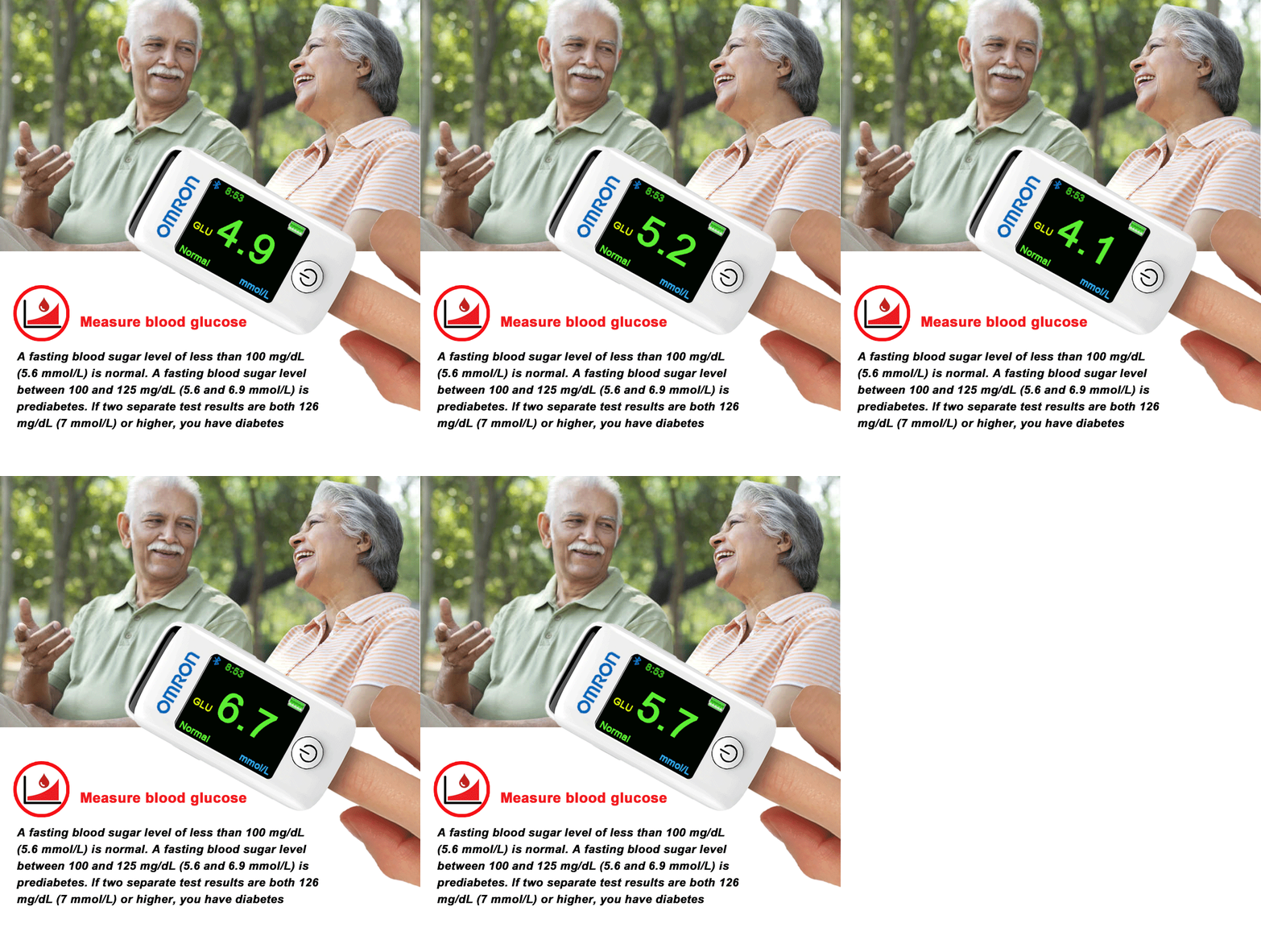
The lipid test allows us to detect changes in blood lipid levels and take action to prevent cardiovascular diseases such as heart disease and stroke. Regular monitoring of blood lipids is an important measure to prevent lipid metabolism disorders and cardiovascular diseases.
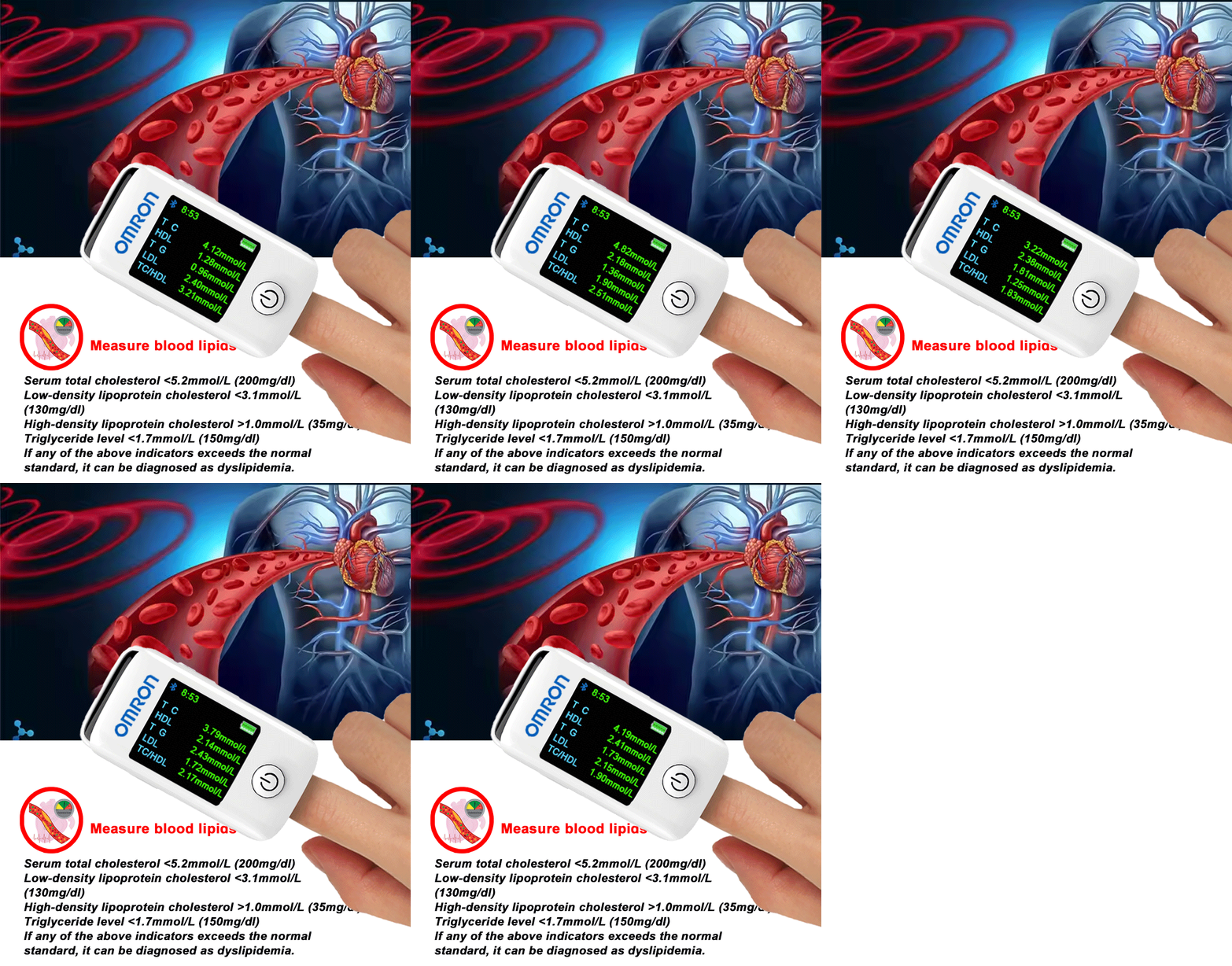
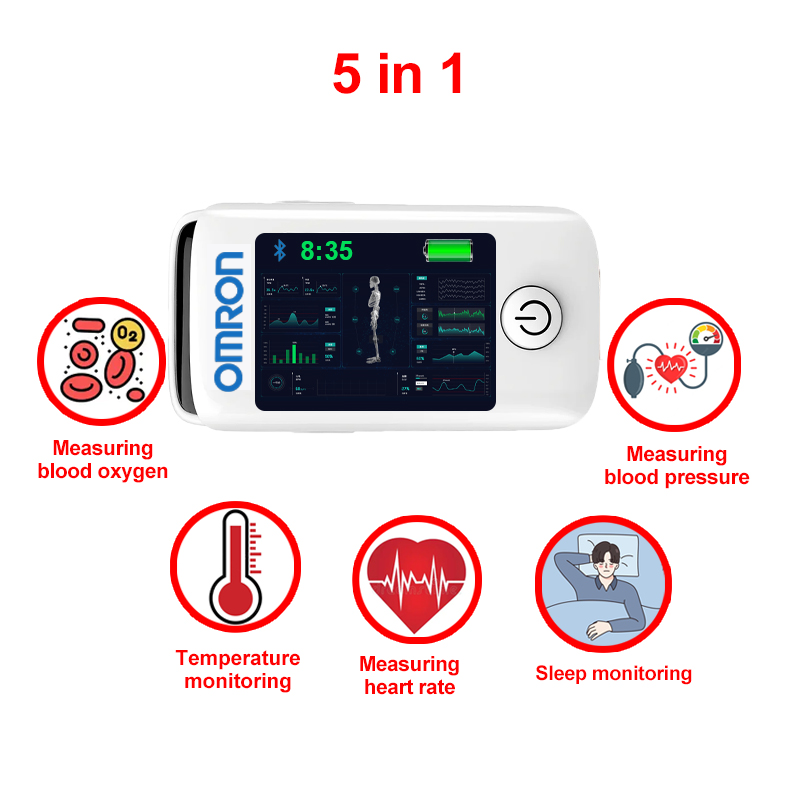
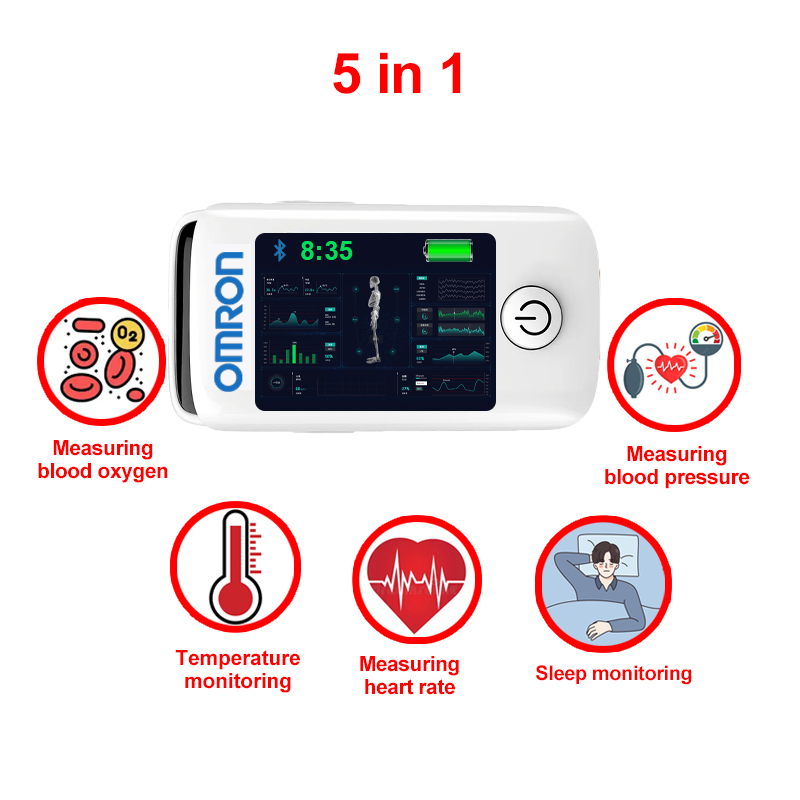
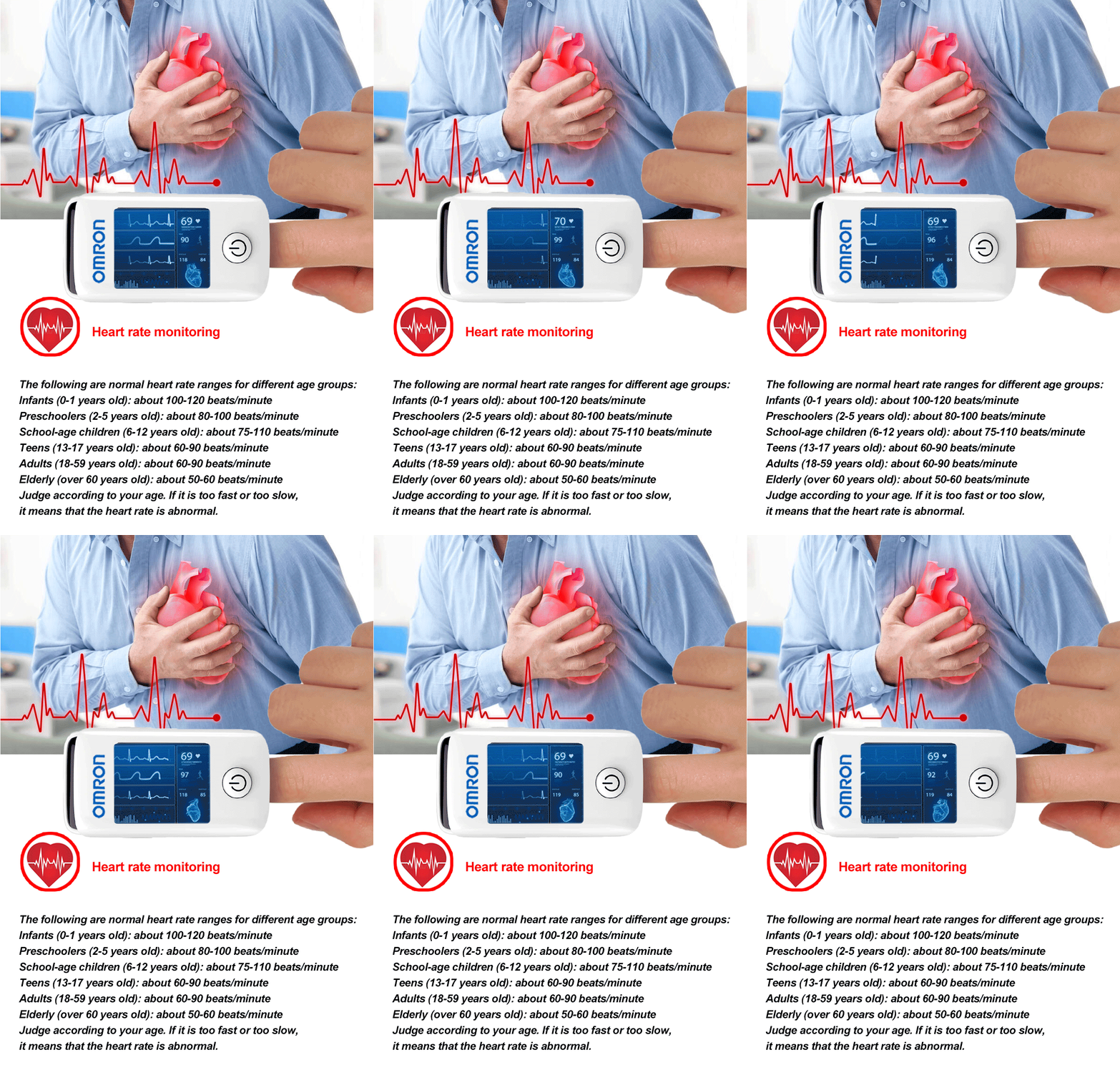
Heart rate is an important indicator of heart health. Regular heart rate monitoring helps assess a person's risk of heart disease. Heart rate monitoring can reveal arrhythmias, such as tachycardia (too fast) or bradycardia (too slow), indicating abnormal heart rhythms. A rapid heartbeat may indicate heart problems, so early diagnosis can lead to necessary medical intervention.
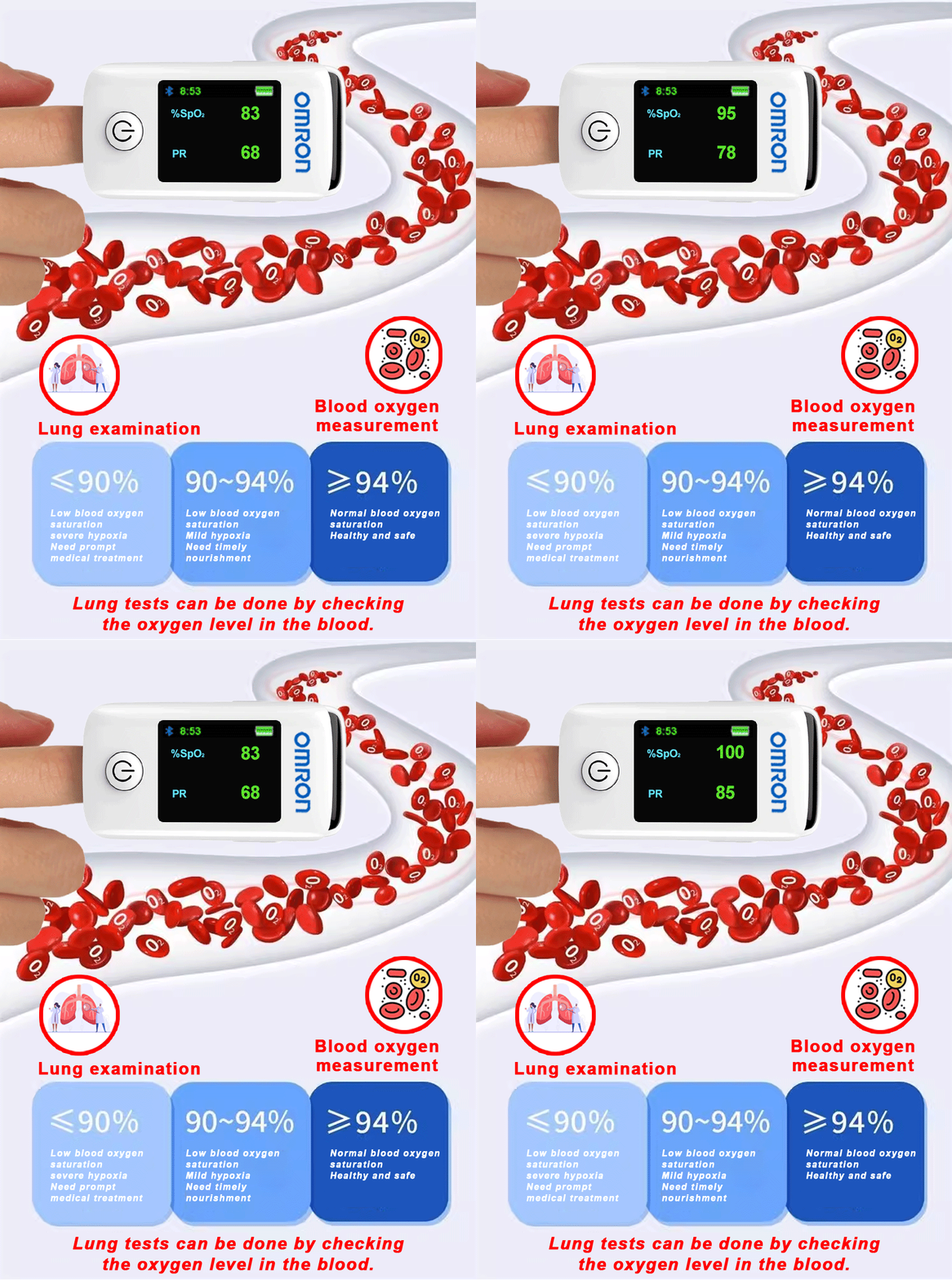
Regular monitoring of blood oxygen levels helps quickly detect hypoxia in the body. Hypoxia can have various causes, including respiratory diseases (such as COPD, asthma, pneumonia, etc.) or heart problems. Early detection of hypoxia allows for timely intervention to avoid severe consequences. At the same time, lung function can also be monitored through blood oxygen levels.
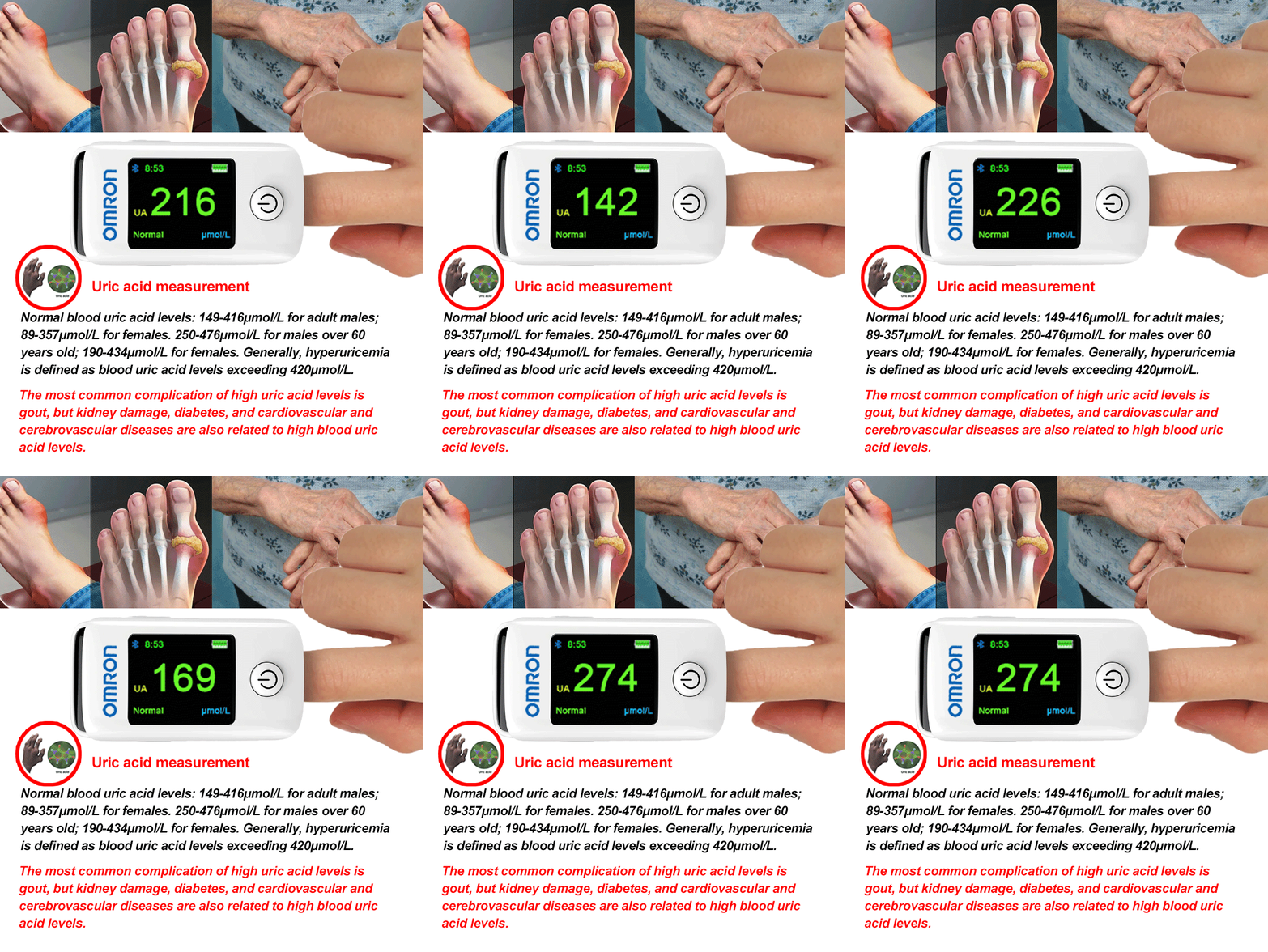
Measuring uric acid levels is important for maintaining health and preventing diseases, especially gout and other related health issues.
The most common complication of elevated uric acid levels is gout, but kidney damage, diabetes, and cardiovascular and cerebrovascular diseases are also associated with elevated uric acid levels in the blood. Early detection of abnormal uric acid concentration in the blood allows for lifestyle changes and the use of specific medications to prevent and treat elevated uric acid levels.
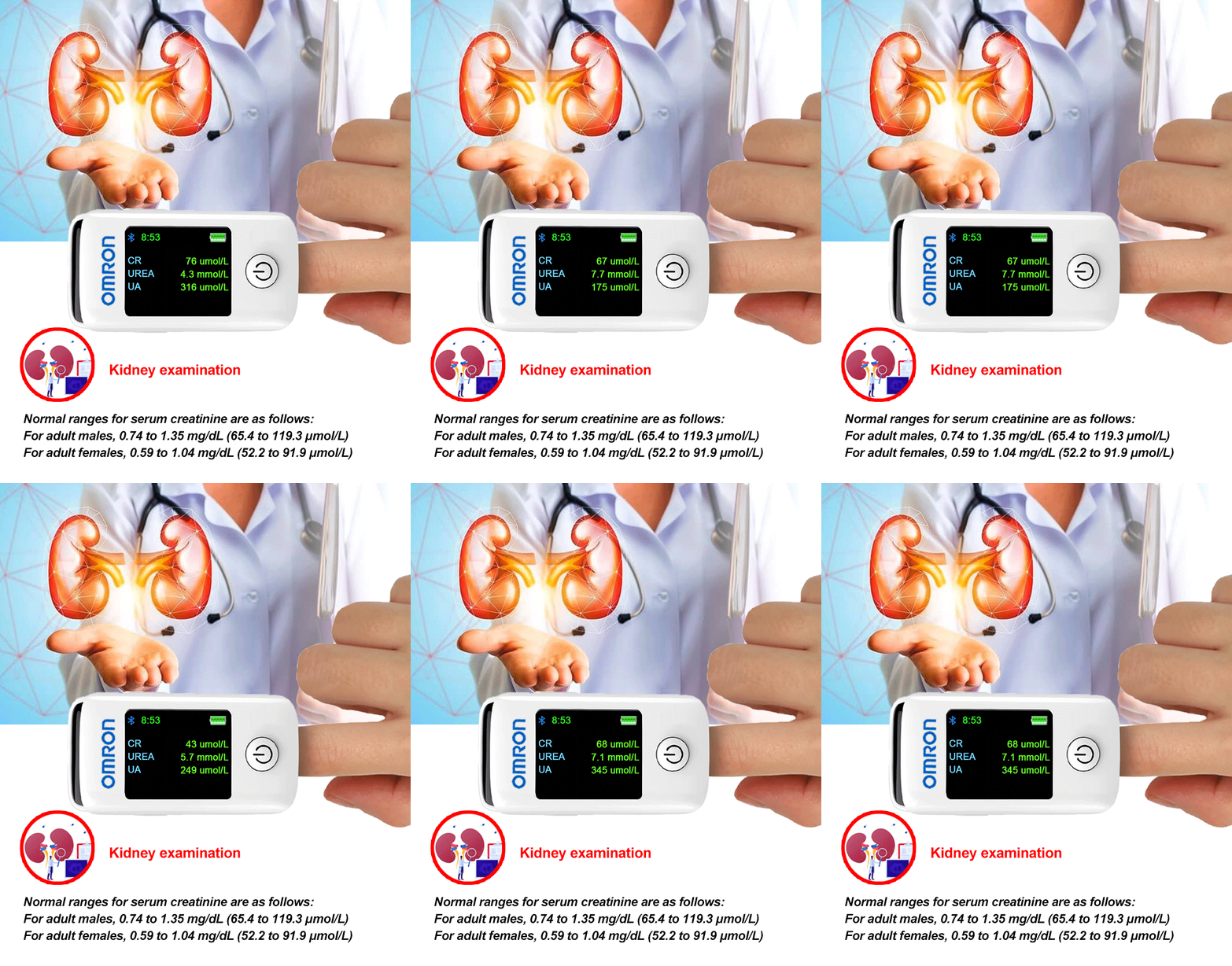
The kidneys are vital organs in the human body. They are responsible for filtering the blood, removing waste products, regulating the body's electrolyte balance, and maintaining blood pressure.
Regular monitoring of kidney function parameters (such as serum creatinine, blood urea nitrogen, urine protein, etc.) helps detect kidney diseases (such as chronic kidney disease, acute renal failure, etc.) early, allowing for early intervention, treatment, and slowing the progression of the disease.
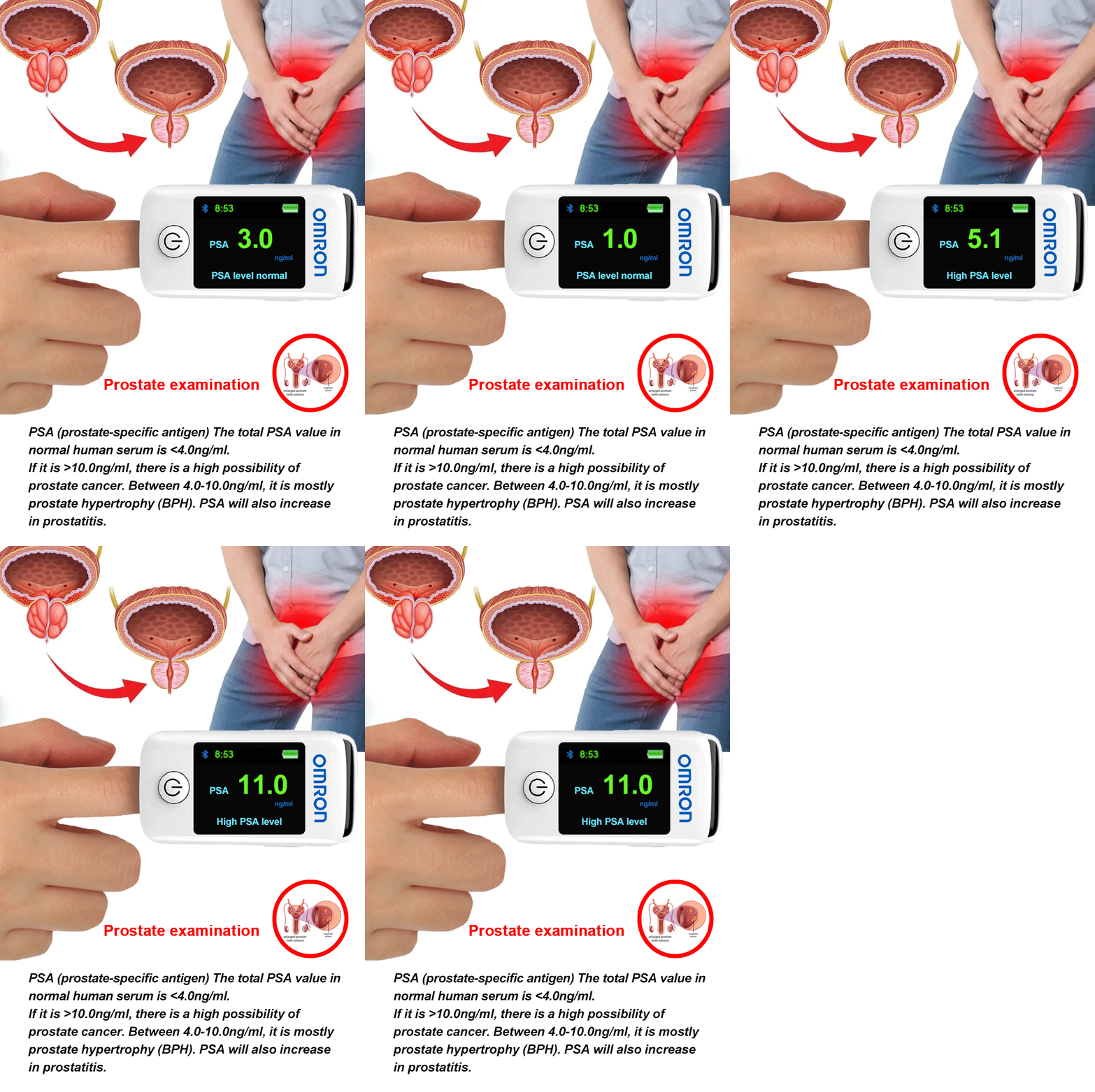
The prostate examination principle involves measuring the prostate-specific antigen (PSA) level in the blood, which helps determine whether the prostate is normal. Early diagnosis generally leads to better treatment and prognosis.
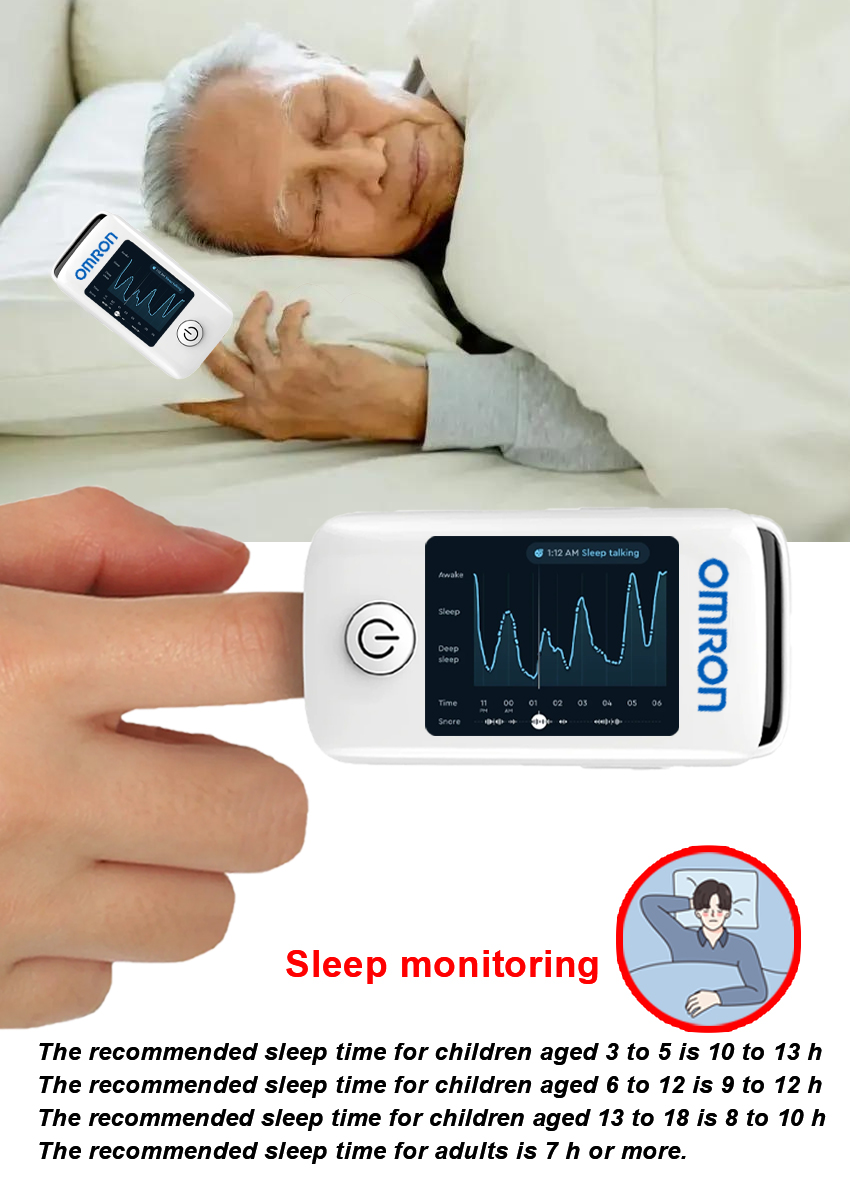
Good sleep is an important part of human health. Good sleep promotes the body's recovery and ensures the proper functioning of the immune system. Sleep monitoring allows effective assessment of sleep quality and duration, helping to detect problems early.
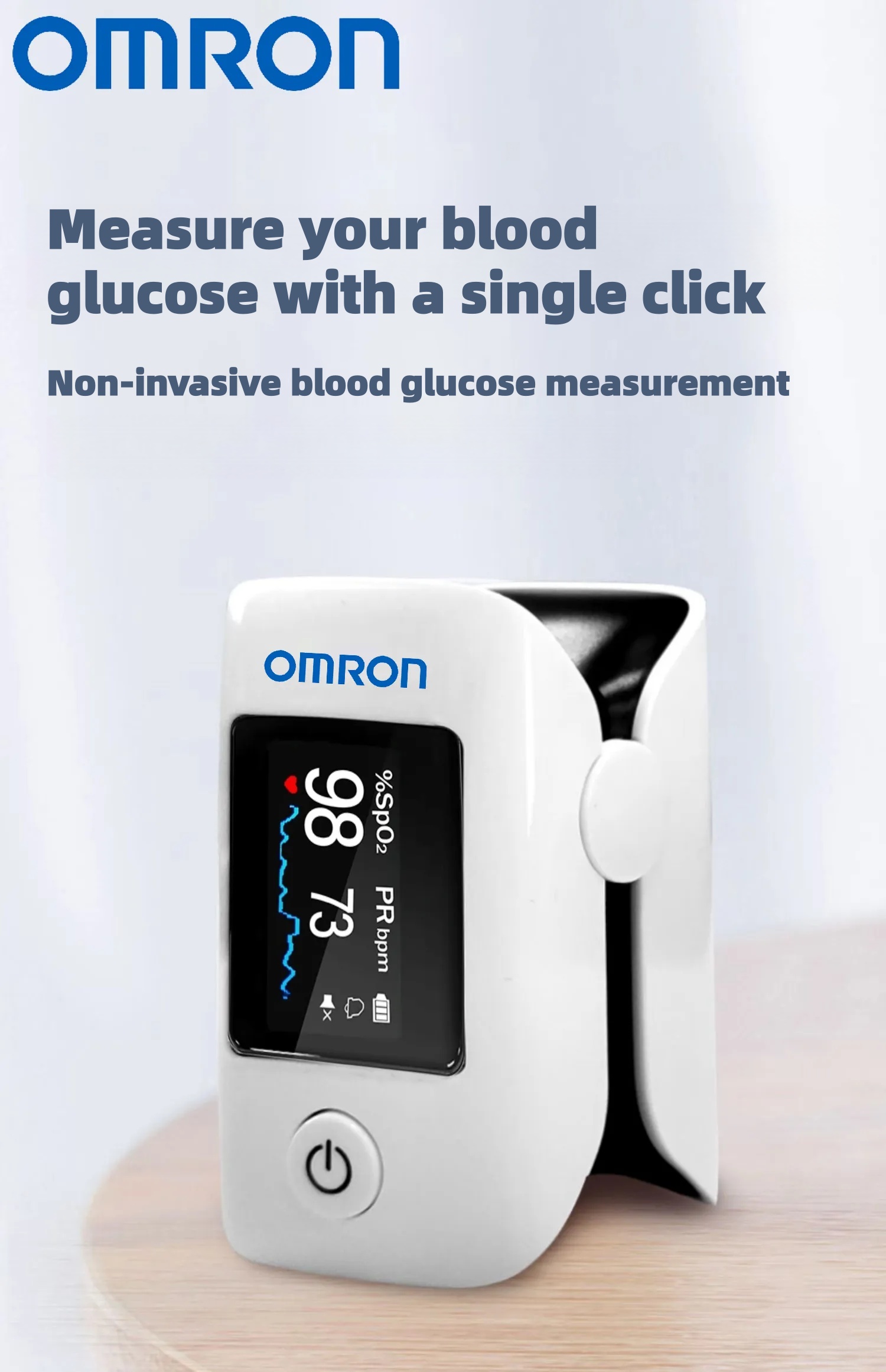
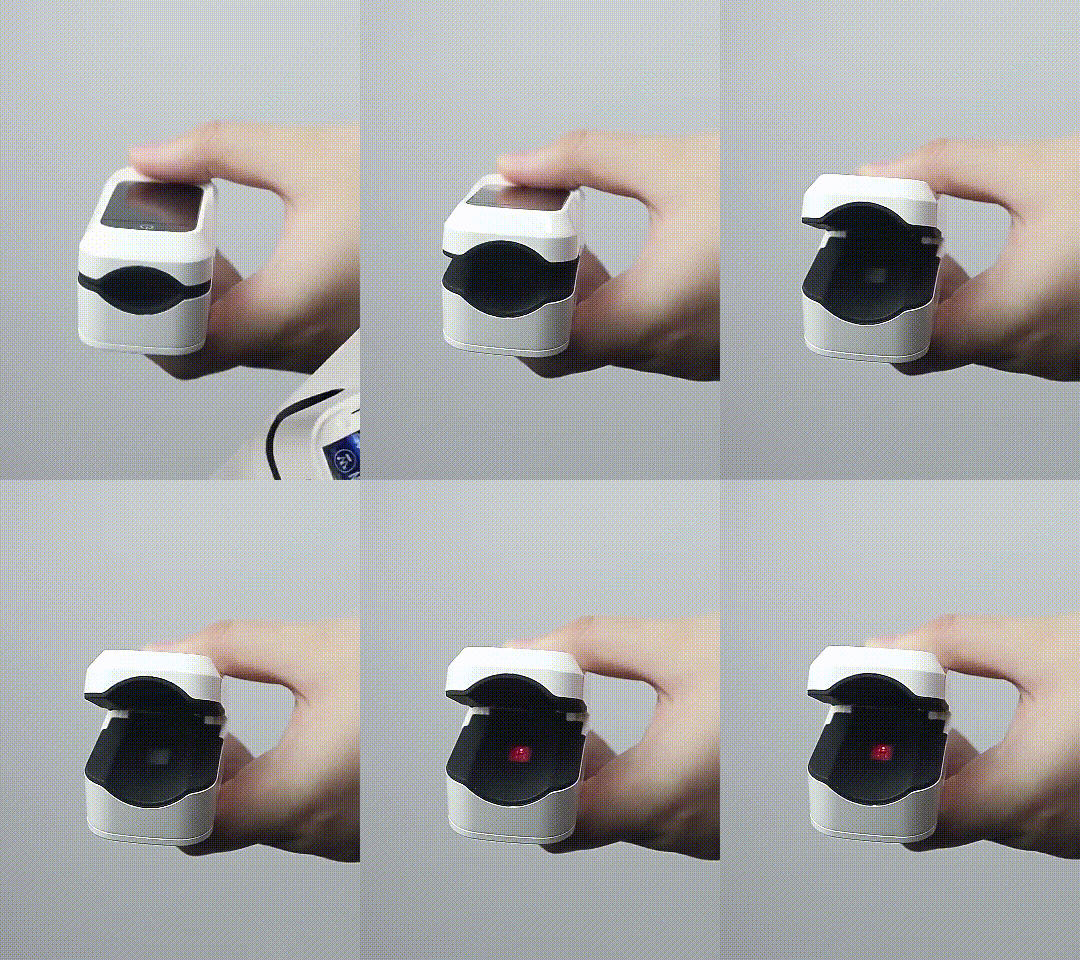
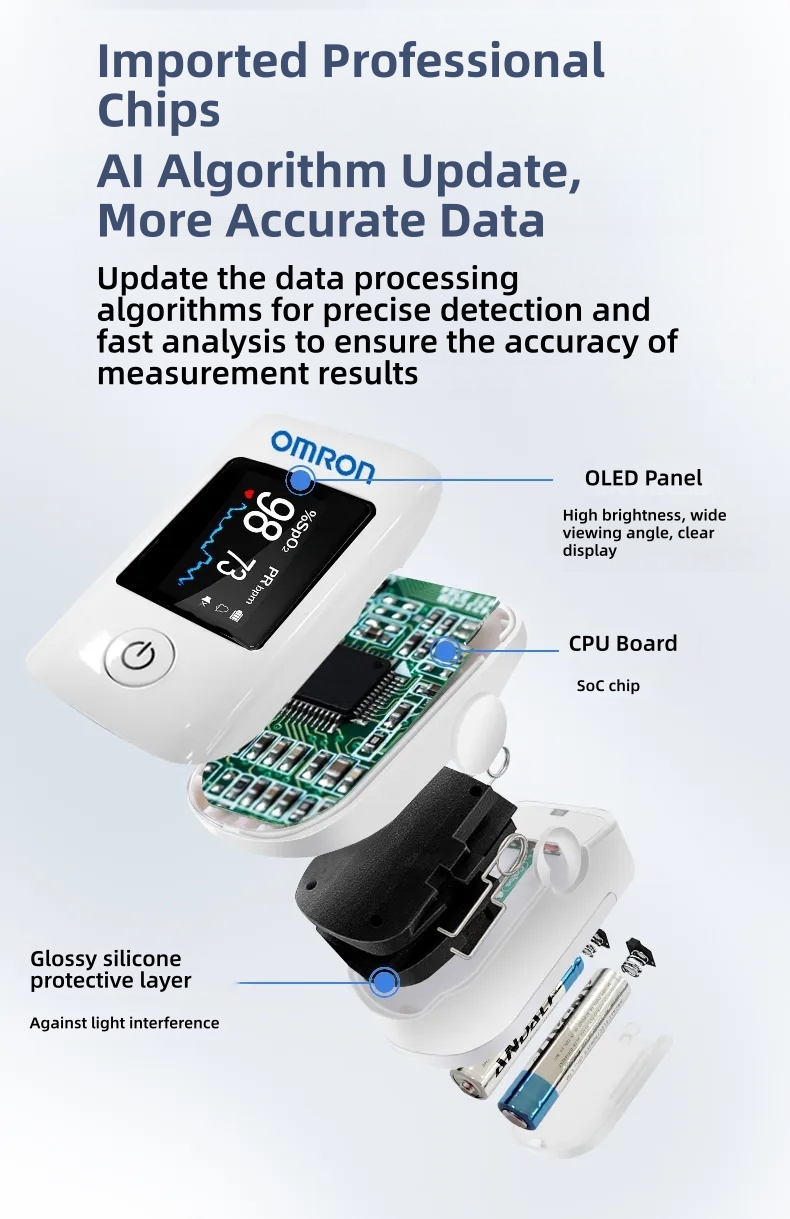
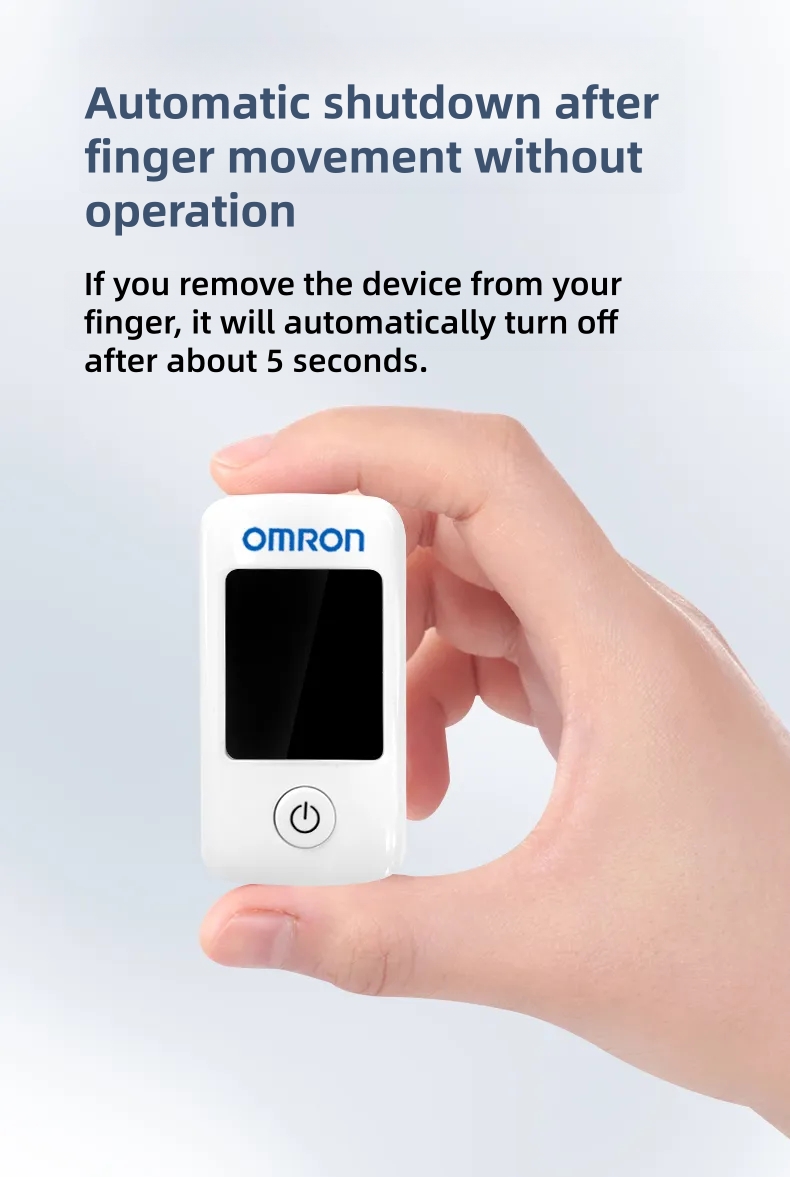
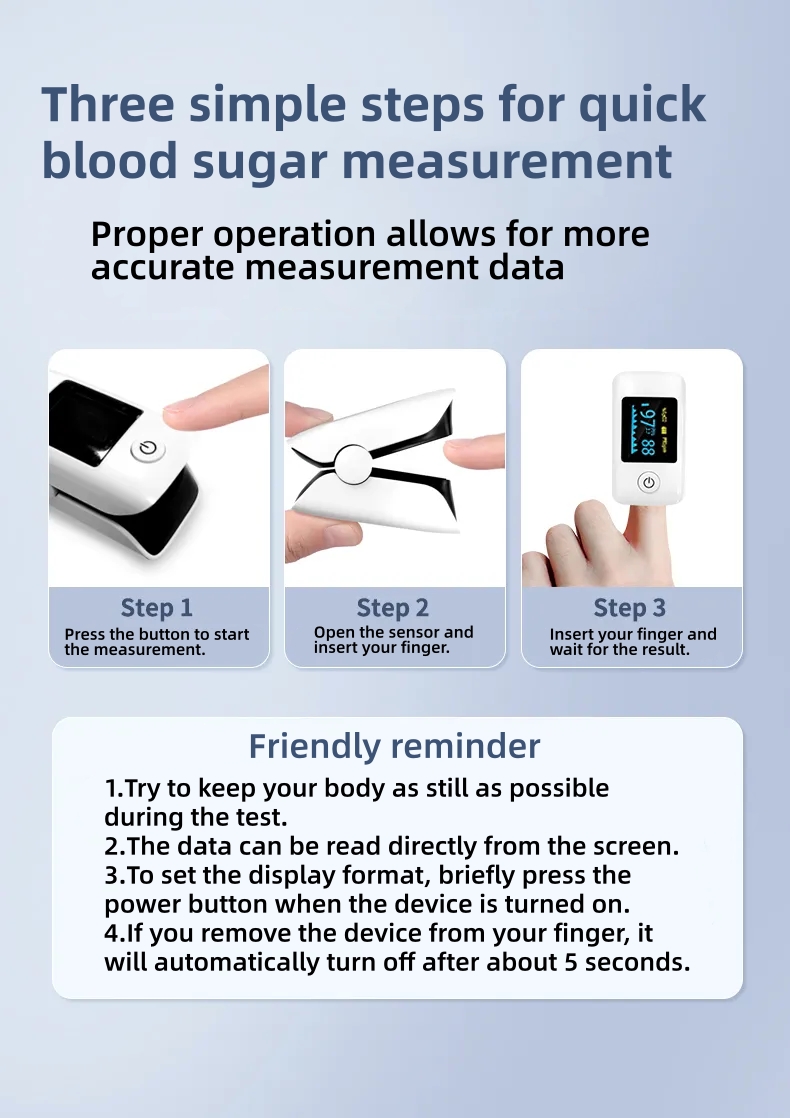
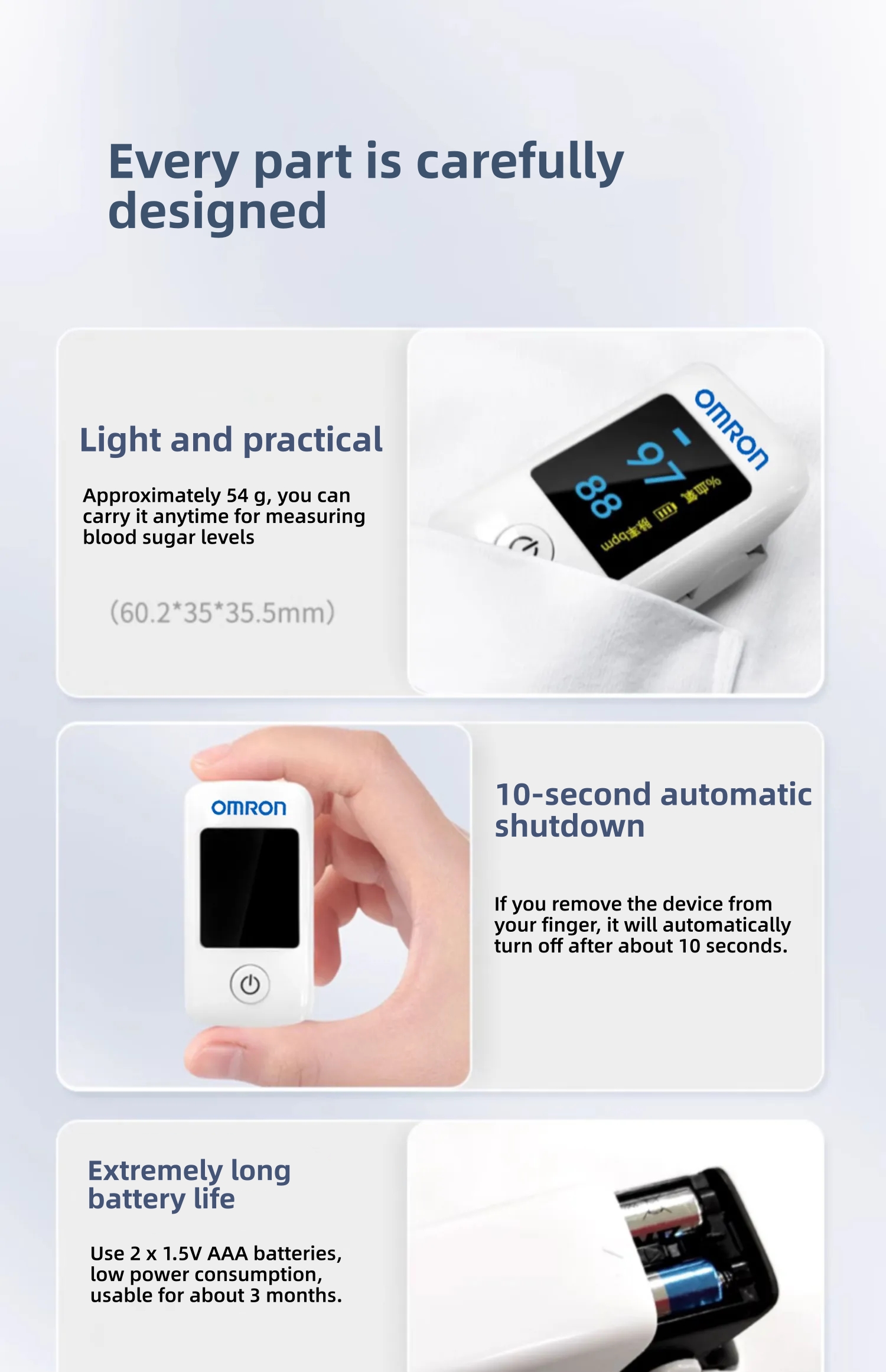
With the use of imported smart chips and strong gravity sensors, the measurement time is significantly reduced to just 5 seconds.